 Save
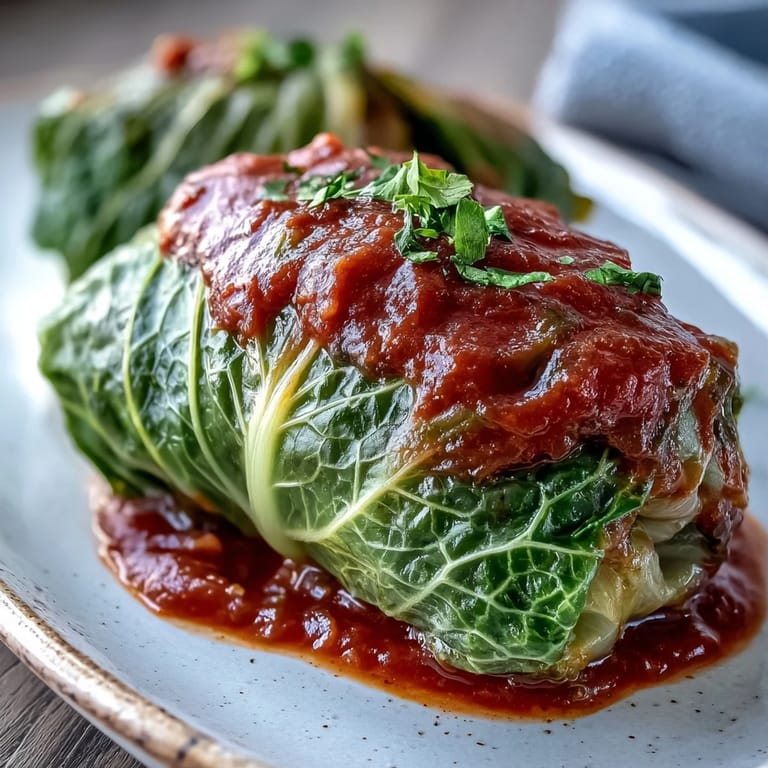
Save The steam rising from the pot fogged up my kitchen window while I wrestled with that first cabbage head, trying to peel leaves without tearing them. My neighbor had handed me her grandmother's scribbled note with measurements in grams and a drawing of how to fold the rolls. I burned my fingers twice, swore once, and by the third roll I finally understood why she said you have to feel it, not just follow it. The smell of that tomato sauce simmering made my stomach growl before I even got them in the oven. That first batch came out lopsided but tasted like I'd unlocked something important.
I made these for a potluck once and watched people go quiet when they took their first bite. Someone asked if my grandmother taught me, and I had to admit I learned from a YouTube video and a lot of trial and error. One guy came back three times for more, scraping sauce off the edges of the dish. Now I make them every few months, usually on a Sunday when I have time to stand at the counter and roll without rushing.
Ingredients
- 1 large head of green cabbage: You need a heavy, tight head so the leaves peel off in whole pieces without shredding, and boiling softens them just enough to roll without cracking.
- 500 g ground beef (or pork, or a mix): Beef gives a deeper flavor, pork adds richness, and mixing both is what I do now after trying each on its own.
- 120 g uncooked long-grain white rice: Parcooking it before mixing keeps the rolls from getting mushy, and it soaks up all the meat juices as everything bakes.
- 1 medium onion, finely chopped: This goes into the filling for sweetness and moisture, and chopping it fine means no one bites into a big onion chunk.
- 2 cloves garlic, minced: Fresh garlic makes the filling taste alive, and I never skip it even when I am lazy with everything else.
- 1 large egg: It binds the meat and rice so the filling does not fall apart when you are rolling or cutting into the finished rolls.
- 2 tbsp fresh parsley, chopped: This adds a bright note that cuts through the richness, and I sometimes add extra on top before serving.
- 1 tsp salt and 1/2 tsp black pepper: Season the filling well or it will taste flat no matter how good your sauce is.
- 700 ml tomato passata or crushed tomatoes: Passata is smoother and makes the sauce silky, but crushed tomatoes work if that is what you have.
- 2 tbsp tomato paste: This deepens the tomato flavor and gives the sauce a richer color that looks as good as it tastes.
- 1 medium onion and 2 cloves garlic for the sauce: Sauteing these first builds a sweet, aromatic base that makes the whole dish smell incredible.
- 1 tbsp sugar: Just enough to balance the acidity of the tomatoes without making the sauce taste sweet.
- 1 tsp dried thyme: It adds an earthy note that feels traditional, and I have tried basil but thyme is the one that works.
- 1 tbsp vegetable oil: For sauteing the aromatics without burning them, and any neutral oil works fine.
Tired of Takeout? 🥡
Get 10 meals you can make faster than delivery arrives. Seriously.
One email. No spam. Unsubscribe anytime.
Instructions
- Preheat and Prep:
- Set your oven to 180 degrees C so it is ready when you finish assembling. This is also when I clear counter space because things get messy fast.
- Boil and Peel the Cabbage:
- Bring a big pot of salted water to a boil, cut out the core, and lower the whole head in. As the outer leaves soften after 8 to 10 minutes, gently peel them off with tongs and set them aside on a towel to drain.
- Make the Tomato Sauce:
- Heat oil in a pan, cook the chopped onion and garlic until they smell sweet, then stir in tomato paste and let it darken for a minute. Add passata, sugar, thyme, salt, and pepper, then simmer for 10 minutes while you move on to the filling.
- Parcook the Rice:
- Boil the rice for just 5 minutes so it is only halfway done, then drain it. This step keeps the rolls from turning into mush in the oven.
- Mix the Filling:
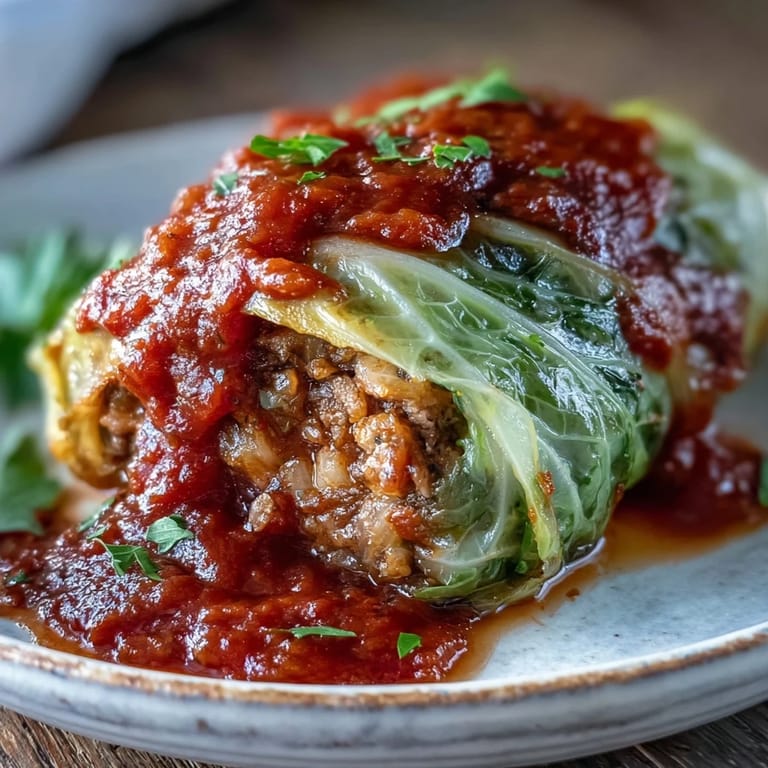
- Combine ground meat, parcooked rice, onion, garlic, egg, parsley, salt, and pepper in a big bowl. Use your hands to mix it evenly, but do not overwork it or the meat gets tough.
- Roll the Cabbage:
- Lay a cabbage leaf flat, trim any thick stem bits if needed, and place 2 to 3 tablespoons of filling near the base. Fold the sides in, then roll it up like a burrito, snug but not tight enough to tear the leaf.
- Assemble in the Dish:
- Spread a thin layer of sauce on the bottom of your baking dish so the rolls do not stick. Arrange the rolls seam side down in a single layer, packing them close so they hold their shape.
- Cover with Sauce:
- Pour the rest of the tomato sauce over the rolls, making sure they are all covered. Cover the dish tightly with foil to trap the steam.
- Bake:
- Bake for 1 hour, then remove the foil for the last 15 minutes if you want the sauce thicker and the tops slightly caramelized. Let them rest for a few minutes before serving so they do not fall apart when you plate them.
 Pin it
 I served these to my partner on a cold Tuesday after a long day, and we sat on the couch with bowls in our laps, not talking much. The rolls were hot and the sauce had thickened just right, and it felt like the kind of meal that makes you glad you took the time. We finished the whole pan over two days and I caught myself scraping the dish for one last spoonful of that tomatoey, meaty goodness.
How to Store and Reheat
I keep leftovers in an airtight container in the fridge for up to four days, and honestly they taste even better the next day after the flavors have had time to soak in. Reheat individual rolls in the microwave covered with a damp paper towel, or warm the whole batch in a covered dish in a 160 degree C oven for 20 minutes. If you are freezing them, assemble the rolls in the dish, cover tightly with plastic wrap and then foil, and freeze for up to three months, then bake straight from frozen adding an extra 30 minutes to the cooking time.
Serving Suggestions
I always serve these with a big dollop of sour cream on top because the tanginess cuts through the richness and makes every bite better. Crusty bread on the side is not optional for me, it is there to mop up the sauce that pools around the rolls. Sometimes I add a simple cucumber salad with dill and vinegar for crunch and freshness, or roasted potatoes if I am feeding people who need something heartier on the plate.
Common Mistakes to Avoid
The biggest mistake I made early on was rolling the cabbage too tight, which caused the leaves to split open in the oven and spill filling everywhere. I also learned not to undercook the sauce before baking because a thin, watery sauce will not thicken much in the oven and you will end up with soupy rolls. Another thing is not seasoning the filling enough, tasting the raw mixture is not appealing but pinching off a tiny bit and microwaving it for 20 seconds lets you adjust the salt before you commit.
- Do not use a cabbage head that feels light or loose because the leaves will be too thin and fragile to roll.
- Make sure the baking dish is actually ovenproof and big enough to fit all the rolls in one snug layer.
- Cover the dish well with foil or a tight lid so the steam stays trapped and the cabbage cooks through.
 Pin it
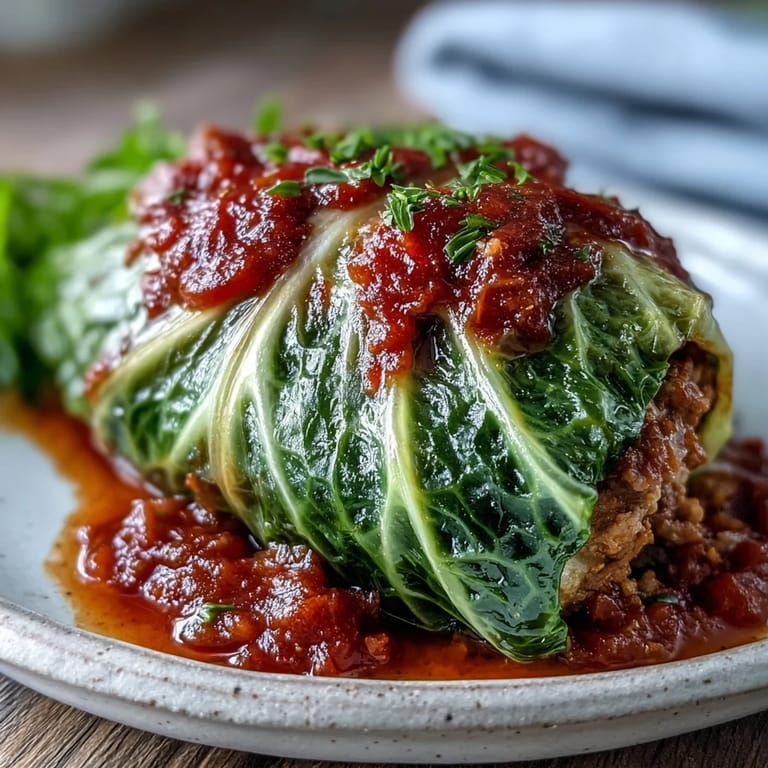
 These cabbage rolls are the kind of dish that takes a little patience but rewards you with layers of flavor and a full belly. Make them on a weekend, share them with people you love, and do not worry if they are not perfect because they will still taste like home.
Frequently Asked Questions
- → Can I prepare cabbage rolls ahead of time?
Yes, you can assemble the rolls up to 24 hours in advance. Arrange them in the baking dish with sauce, cover tightly, and refrigerate. Add 10-15 minutes to the baking time if cooking straight from the refrigerator.
- → What type of cabbage works best?
Green cabbage is traditional and works perfectly. Choose a large head with pliable outer leaves. Savoy cabbage can also be used, though its leaves are more delicate and require gentler handling.
- → Can I freeze cabbage rolls?
Absolutely. Freeze them either before or after baking. Wrap individually or store in airtight containers for up to 3 months. Thaw overnight in the refrigerator before reheating in the oven at 180°C until heated through.
- → Why do you par-cook the rice first?
Par-cooking the rice ensures it finishes cooking perfectly inside the cabbage rolls without making the filling too dense or requiring excessive baking time. The rice absorbs flavors from the meat and sauce as it completes cooking.
- → What can I use instead of ground beef?
Ground pork, turkey, chicken, or a beef-pork blend all work wonderfully. For vegetarian versions, substitute with cooked lentils, mushrooms, or a combination of both for similar texture and heartiness.
- → How do I prevent the cabbage leaves from tearing?
Blanch the cabbage just until the leaves are pliable but not overly soft. Remove leaves gently as they loosen. If a leaf tears, overlap two smaller leaves or use the torn leaf as part of the sauce base.