 Save
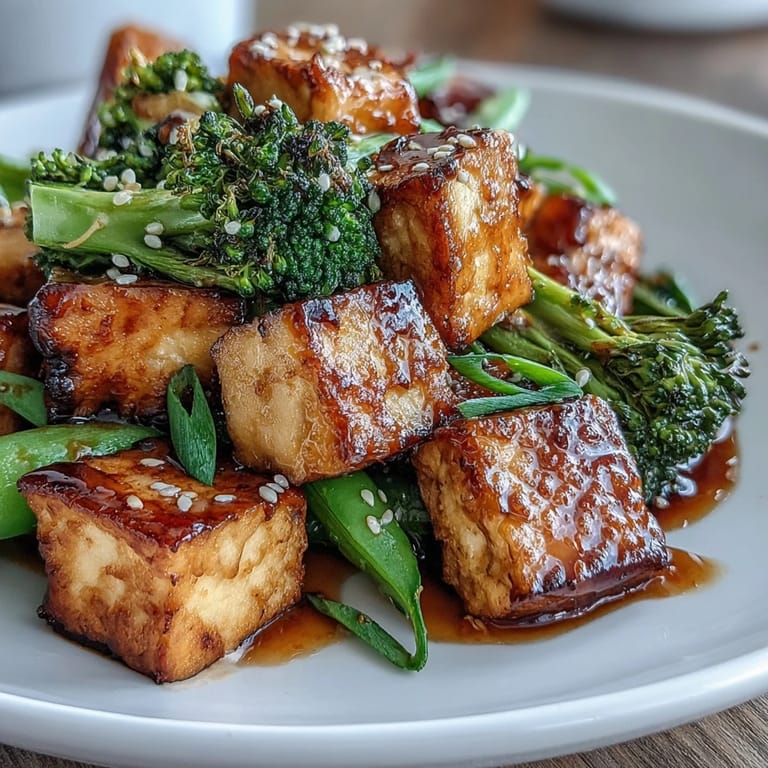
Save There's something about the sound of tofu hitting a hot pan that signals dinner is about to get delicious. My first attempt at this stir-fry happened on a rainy Tuesday when I'd promised myself I'd finally master plant-based cooking, and somehow the combination of crispy tofu, bright vegetables, and that glossy teriyaki glaze made me forget I was even trying to prove anything. Now it's the dish I make when I want something that tastes impressive but doesn't ask much of me, just 30 minutes from start to finish.
I'll never forget cooking this for my neighbor who claimed they didn't do vegetables, and watching them ask for seconds while barely acknowledging what they were eating. That snap pea crunch and the way the sauce clings to everything seemed to bypass whatever resistance they'd built up over the years. Food has a way of doing that sometimes.
Ingredients
- Firm tofu (400 g): Press it well before cooking, or it'll steam instead of sear, and you'll lose that satisfying crust that makes all the difference.
- Cornstarch (4 tbsp total): Two tablespoons coat the tofu for crispiness, and the slurry thickens the sauce to coat everything beautifully.
- Vegetable oil (2 tbsp): Use something with a high smoke point so your pan stays hot and the tofu browns instead of sticking.
- Broccoli florets (300 g): Cut them roughly the same size so they cook evenly and stay bright green, not sullen.
- Snap peas (150 g): They add a natural sweetness and stay crisp if you don't overthink the timing.
- Red bell pepper (1 medium): The color matters here, both on the plate and in your mouth, bringing gentle sweetness to balance the salty sauce.
- Spring onions (2): These finish the dish and remind you that fresh elements make good food memorable.
- Soy sauce (60 ml): This is your salt anchor, so taste the sauce before it goes in the pan and adjust if needed.
- Maple syrup or honey (2 tbsp): Either works, though maple syrup creates a deeper, more rounded sweetness than honey.
- Rice vinegar (1 tbsp): It cuts through the richness and keeps the sauce from feeling too heavy.
- Sesame oil (1 tbsp): A small amount goes a long way, adding warmth and complexity that feels intentional.
- Fresh ginger (1 tbsp grated): Don't skip this or use powdered instead, the fresh stuff changes everything about how the sauce feels on your tongue.
- Garlic cloves (2 minced): Mince them fine so they disperse through the sauce and don't become chewy surprises.
- Sesame seeds and cilantro: The garnish that transforms a good dinner into something you'll think about tomorrow.
Tired of Takeout? 🥡
Get 10 meals you can make faster than delivery arrives. Seriously.
One email. No spam. Unsubscribe anytime.
Instructions
- Press and cube your tofu:
- Drain the block and wrap it in paper towels or a clean kitchen cloth, then press under a heavy skillet or some books for 10 minutes. Cut into roughly 2 cm cubes so they have enough surface area to get crispy.
- Coat and fry until golden:
- Toss the tofu cubes with cornstarch in a bowl until every edge is dusted, then heat your oil until it shimmers and place the tofu carefully into the pan. Let it sit without moving for a couple of minutes so it develops a proper crust, then turn gently and repeat until all sides are golden and crisp, about 8 to 10 minutes total.
- Stir-fry the vegetables:
- Push the tofu to the side and add broccoli, snap peas, and bell pepper to the hot pan with whatever oil remains. Keep the heat high and stir every 30 seconds or so, listening for that gentle sizzle that tells you things are browning, not steaming, for about 3 to 4 minutes.
- Build the sauce:
- While the vegetables are cooking, whisk together soy sauce, maple syrup, rice vinegar, sesame oil, ginger, and garlic in a small bowl. Let the flavors mingle for a moment before you use it.
- Bring it all together:
- Return the tofu to the pan with the vegetables, pour the sauce over everything, and let it come to a gentle simmer. The pan should smell incredible at this point.
- Thicken the sauce:
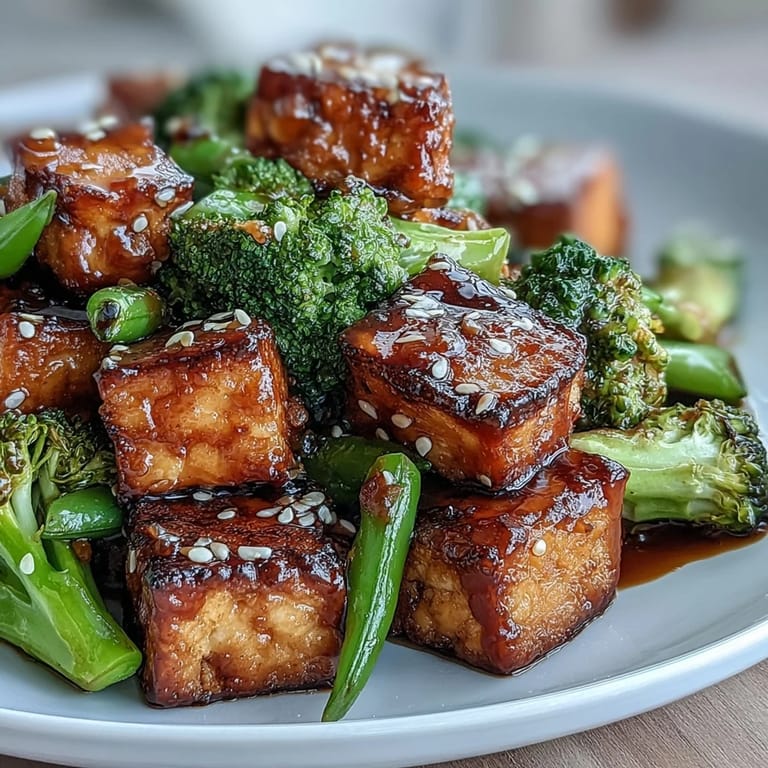
- Whisk the cornstarch with cold water until smooth, then pour it in slowly while stirring constantly. Within a minute or two, the sauce will transform from thin and loose to glossy and coating, clinging to every piece of tofu and vegetable.
- Finish and serve:
- Remove from heat, scatter sesame seeds and fresh spring onions over the top, and serve immediately over steamed jasmine rice or noodles. The contrast between the hot pan and cool rice or soft noodles is part of the pleasure.
 Pin it
 There was an evening when my teenage cousin came home from school grumpy and wordless, and this stir-fry somehow unlocked something in the conversation that other gestures hadn't managed. Food doesn't fix everything, but it creates the right conditions for things to shift, and I think about that sometimes when I'm plating this dish.
The Secret to Crispy Tofu
The magic lives in patience and heat. After I press the tofu, I let it sit uncovered in the refrigerator for an hour if I have time, which draws out even more moisture and sets you up for maximum crispiness. When you put it in the pan, don't touch it for the first two minutes, just let the heat work. I learned this the hard way by constantly fidgeting with it, and once I stopped, everything changed.
Why the Sauce Balance Matters
The teriyaki sauce walks a line between salty, sweet, and tangy, and getting that balance right is what transforms simple ingredients into something crave-worthy. I keep the soy sauce as my anchor and adjust the sweetness and acidity to taste, because every sauce has a personality and yours might lean slightly different than mine.
Making It Your Own
This recipe is genuinely flexible, which is maybe its best quality. I've made it with baby bok choy, mushrooms, carrots, and even thin green beans, and it's never disappointed. The core technique stays the same, just the vegetables dress differently depending on what the season offers or what's sitting in your produce drawer. Think of it as a template rather than a mandate.
- Protein swaps work too: tempeh, seitan, or chickpeas all respond beautifully to the same treatment.
- If you want extra heat, add fresh Thai chilies or a pinch of red pepper flakes to the sauce.
- Leftovers keep for three days in the refrigerator and actually taste better on day two when the flavors have settled together.
 Pin it
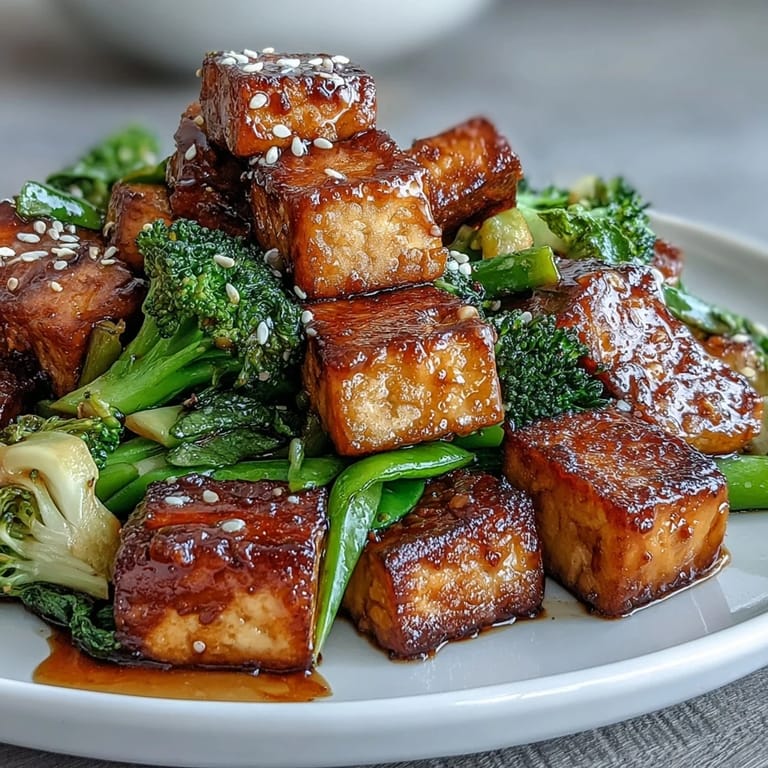
 This stir-fry is proof that plant-based cooking doesn't have to feel like a sacrifice, just a different kind of delicious. Make it once, and you'll reach for it again and again.