 Save
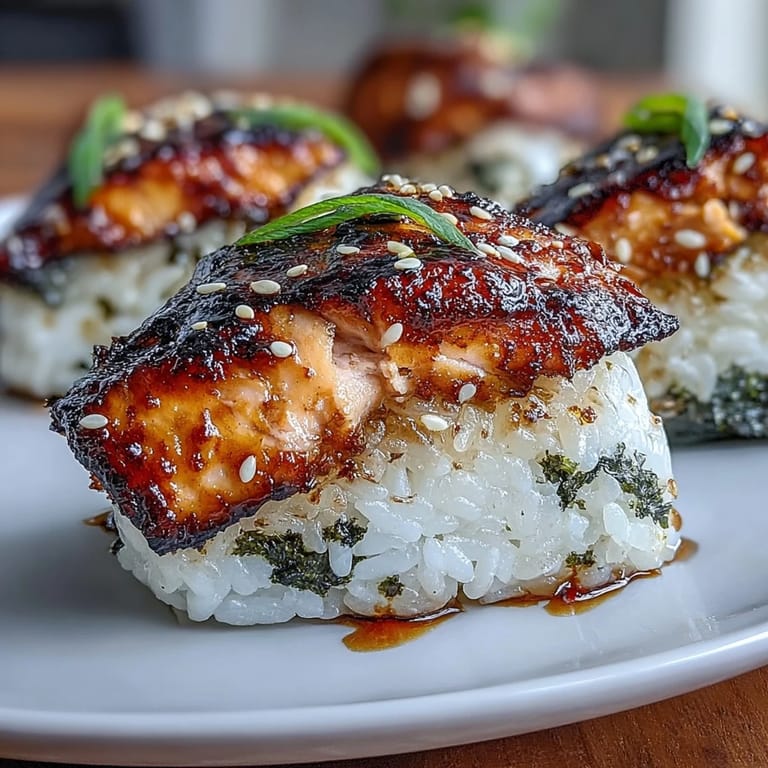
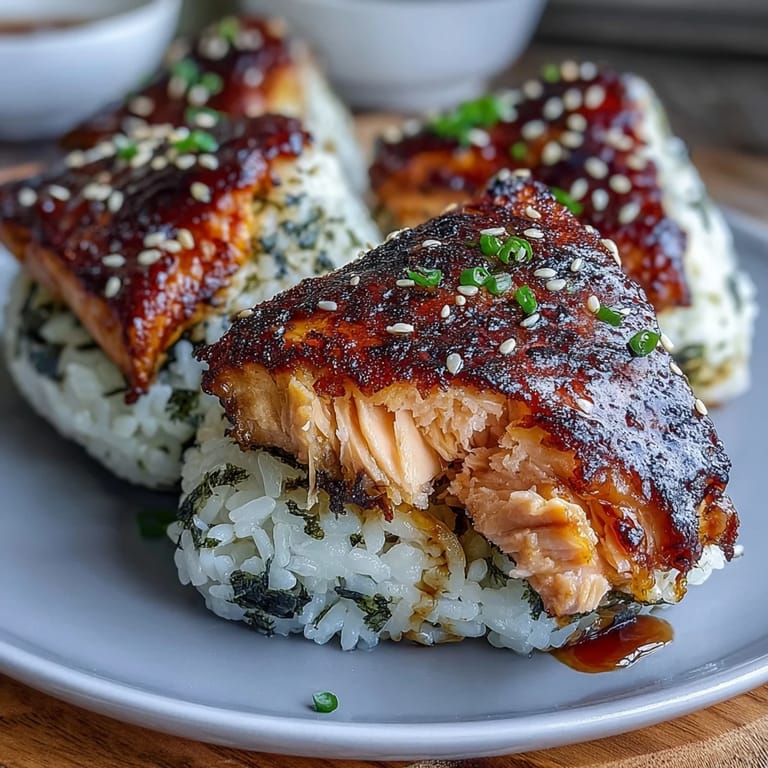
Save The first time I ever made grilled salmon onigiri, the sizzle of salmon under the broiler caught the cat’s attention faster than anything else in my kitchen. Unlike other snacks, there’s a calm satisfaction in pressing warm rice between your palms, shaping something humble but rich with character. The scent of toasted nori and fresh salmon always makes me think of lunch breaks that stretch out a little longer than planned. You never really know how soothing these savory bundles can be until you hold one and bite in while it’s still a little warm. With each attempt, I find new small joys in the ritual—the tackiness of rice and the promise of crisp edges after grilling.
Last summer, I packed a batch for a lakeside picnic—by the time my friends arrived, the onigiri had cooled, but no one waited for plates. Watching everyone bite in, seaweed crackling and fingers sticky, I realized these were more than just a quick snack. If you ever want to see a conversation pause in appreciation, bring out just-grilled onigiri.
Ingredients
- Salmon fillet: Choosing a fresh, skinless piece really pays off—after grilling, it flakes beautifully and stays juicy in the center.
- Soy sauce: Adds a savory depth; I once tried using low-sodium and found the flavor a bit lacking, so I stick with regular now.
- Mirin: Just a teaspoon balances the richness of the salmon with a hint of sweetness.
- Toasted sesame oil: Only half a teaspoon brings out a nutty aroma—don't skip it if you love subtle complexity.
- Japanese short-grain rice: After trying to substitute with long-grain in a pinch, I’ve learned only sticky rice truly holds together well.
- Rice vinegar (optional): Gives the rice a light tang and more shine—especially nice if you enjoy sushi-style flavors.
- Nori sheets: Halved pieces fit perfectly and offer a satisfying snap when you bite; be sure to cut them just before using to keep them crisp.
- Toasted white sesame seeds (optional): These add a gentle crunch and extra nuttiness on top that always makes people ask for the recipe.
- Water and salt (for shaping): Wet, salted hands work like magic to keep rice from sticking and bring classic onigiri savor.
Tired of Takeout? 🥡
Get 10 meals you can make faster than delivery arrives. Seriously.
One email. No spam. Unsubscribe anytime.
Instructions
- Make the sticky rice:
- Rinse short-grain rice under cold water until it runs almost clear, then combine with water and cook until fluffy and sticky, letting it steam in the pot for 10 extra minutes after it’s done—this part always perfumes the whole kitchen.
- Grill and flake the salmon:
- Brush your salmon fillet with soy sauce, mirin, sesame oil, a pinch of salt and pepper, and grill or bake until just opaque in the center; the outer caramelization is your flavor jackpot.
- Shape the onigiri:
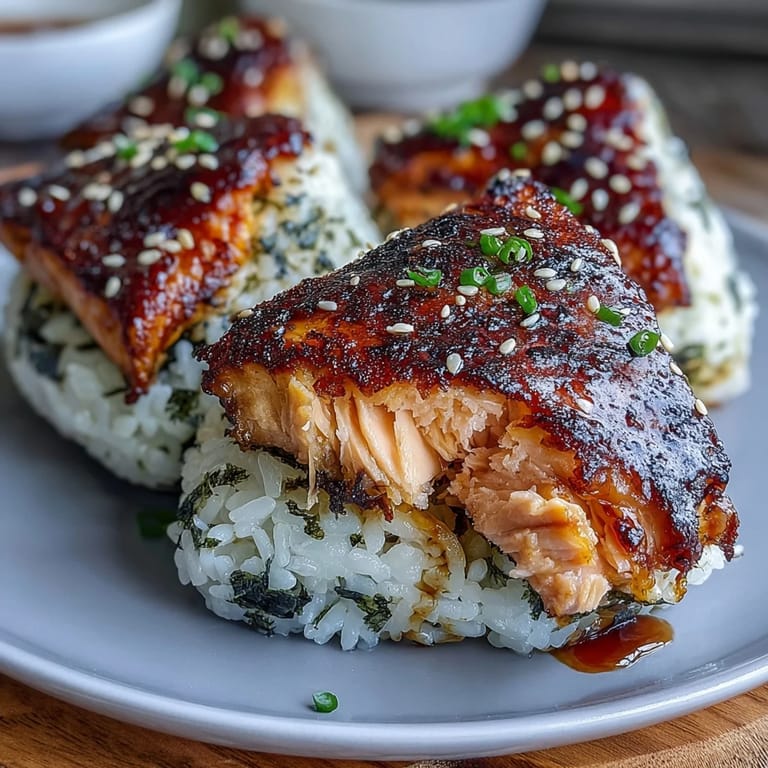
- Fill bowls with water and salt, wetting your hands each time—press a portion of warm rice into your palm, hollow out the center, tuck in salmon, and gently mold into a firm triangle; expect a little rice to stick to your fingers the first few tries.
- Crisp them up:
- Heat a bit of oil in your skillet or grill pan; once hot, add the rice balls and listen for that soft crackle as they toast, turning gently every couple of minutes so each side gets golden.
- Finish and wrap:
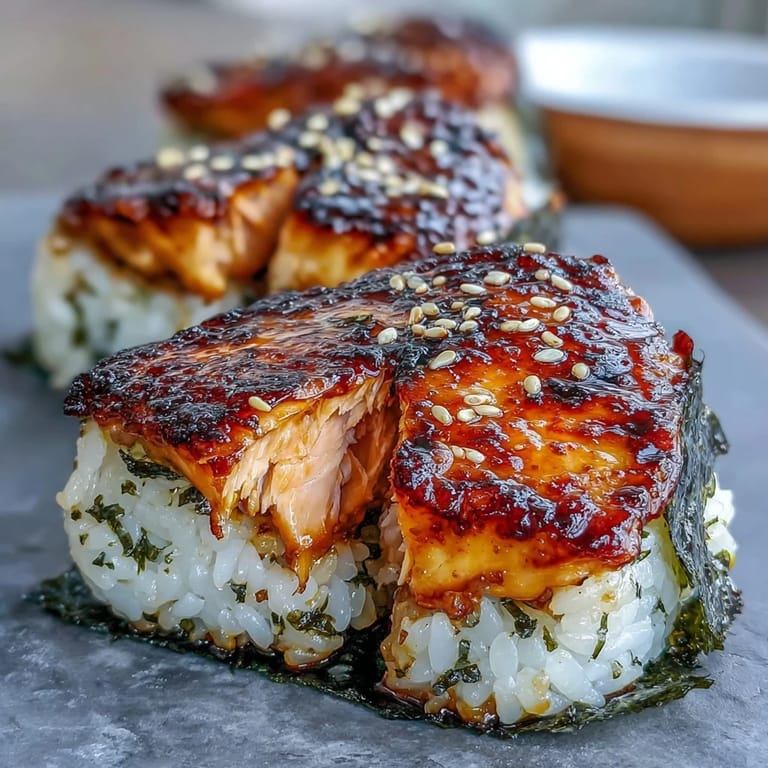
- Wrap each just-crisped onigiri with a half-sheet of nori and sprinkle with sesame seeds if you like; serve while still warm for the best contrast between soft and crisp.
 Pin it
  Pin it
 I still remember the look of delight on my sister’s face the first time we made these together, sticky-handed and laughing about whose triangles were most lopsided. Every batch since has felt like a small gift, unwrapping a memory as much as a meal.
Keeping Your Onigiri Fresh
If you’re making these for later, let the onigiri cool to room temperature before wrapping in nori and packing them up. This helps prevent the seaweed from going soggy and keeps the rice from getting too sticky—at a picnic or in a lunchbox, they hold their shape beautifully until you’re ready for a bite.
A Few Fun Variations
Sometimes, I tuck a sliver of pickled plum into the center for a burst of tartness, or I mix chopped spring onions into the rice. Don’t hesitate to swap in smoked salmon, canned salmon, or even grilled tofu if you’re working around preferences or pantry gaps.
Rice Shaping: Practice Makes Perfect
Shaping onigiri isn’t about perfection—at first, my rice triangles resembled funny, lumpy pebbles, but with each attempt my technique improved. Just don’t skip wetting and salting your hands, or you’ll spend more time unsticking rice than making onigiri.
- Keep a bowl of water and a pinch dish of salt handy from start to finish.
- Don’t overfill the center or the rice will split—less is more!
- Always use warm, not hot, rice to avoid burning your hands.
 Pin it
  Pin it
 Whether you’re pacing your kitchen or wrapping these for the road, grilled salmon onigiri have a way of turning an ordinary moment into something memorable. May every bite remind you that good food is best made—and eaten—with your hands.
Frequently Asked Questions
- → What rice is best for onigiri?
Short-grain Japanese rice is ideal because it becomes sticky when cooked, helping the onigiri hold its shape. Rinse until the water runs clear and let it rest covered for a better texture.
- → How do I keep the rice from sticking to my hands?
Keep a small bowl of water nearby and wet your hands before shaping. Rub a pinch of salt on your palms to season the exterior and reduce stickiness while forming the rice balls.
- → Can I use canned salmon instead of fresh?
Yes—drain and flake canned salmon, then season lightly with soy and sesame oil. Fresh salmon gives a cleaner flavor, but canned works well for convenience.
- → How do I get a crisp exterior without drying the rice?
Use a lightly oiled nonstick skillet over medium heat and sear 2–3 minutes per side until golden. Brush a thin glaze of soy before flipping for extra color without overcooking the interior.
- → How should I store leftovers?
Cool to room temperature, wrap individually in plastic or parchment, and refrigerate up to 2 days. Reheat gently in a skillet or oven to restore some crispness; avoid microwaving too long to prevent sogginess.
- → What are good pairings or serving ideas?
Serve with pickled vegetables, miso soup or green tea. Add a dab of wasabi or a small piece of umeboshi inside for extra zing and contrast to the grilled salmon.