 Save
Save As soon as the first whiff of ripe mangoes hits the kitchen, I know it's time for this bright and jiggly treat. The sizzle of coconut milk simmering on the stove mingles with the sweet, tropic scent, instantly sparking daydreams of sunlit afternoons. I never used to be a big jelly dessert fan, but one sticky July night, I craved something cooling that wasn’t all sugar. The way the mango and coconut layers came together that evening surprised even me—especially when I couldn't stop sneaking cubes from the fridge. Now, making these jelly cubes feels like a small daily celebration of good fruit.
The last picnic I made these for, I glanced up from slicing jellies to see my friends—usually chatterboxes—completely silent, savoring the wobbly cubes with goofy grins. The cubes disappeared before I’d even managed to sit down. That’s when it became clear this wasn’t just a dessert, but quite the conversation stopper. We all laughed about mango stains on our fingers, every plate shining spotless at the end. No leftovers has become the reliable measure of success in my book.
Ingredients
- 2 large ripe mangoes: Ultra-ripe mangoes make all the difference—their fragrance and sweetness intensify the jelly.
- 200 ml water: A tip I picked up: cool filtered water keeps the puree smooth and helps agar dissolve evenly.
- 2 tbsp sugar: Even if the mangoes are sweet, a touch of sugar sharpens the fruitiness; taste the mixture before boiling to suit your mood.
- 1 tsp lemon juice: Just a squeeze brightens all the flavors—I accidentally skipped it once and really missed the tang.
- 1½ tsp agar-agar powder: Agar is the plant-based hero here, but measure with a light hand as too much can make the jelly rubbery.
- 400 ml full-fat coconut milk: Go for canned, creamy coconut milk for the dreamiest texture; I avoid the carton stuff for this.
- 3 tbsp sugar: Sweeten to taste—sometimes I use less if the coconut milk is rich and sweet on its own.
- 1 tsp vanilla extract: This rounds everything out with a subtle perfume.
- 1 tsp agar-agar powder: A smaller amount sets the coconut layer gentler than the fruit layer, which I think is magic.
Tired of Takeout? 🥡
Get 10 meals you can make faster than delivery arrives. Seriously.
One email. No spam. Unsubscribe anytime.
Instructions
- Puree the mangoes:
- Add peeled mango cubes, water, sugar, and lemon juice to your blender and blitz until the mixture is as smooth and glossy as the morning sun.
- Dissolve the agar-agar:
- Pour the mango puree into a saucepan, sprinkle in the agar-agar, and whisk well; as you heat it, listen for the gentle bubble and stir constantly until the powder dissolves—about two minutes.
- Set the mango layer:
- Pour this golden mixture into an 8x8 inch mold and let it cool briefly before moving to the fridge; it should wobble but not be fully firm in about 45 minutes.
- Make the coconut layer:
- While the mango sets, whisk coconut milk, sugar, vanilla, and agar-agar together in a clean saucepan; gently simmer, stirring, until everything melds and the kitchen smells lush.
- Layer and chill:
- Carefully pour the warm coconut mix over the semi-set mango layer. Let it cool, then refrigerate until everything is firm and ready to slice—patience pays off here!
- Slice and serve:
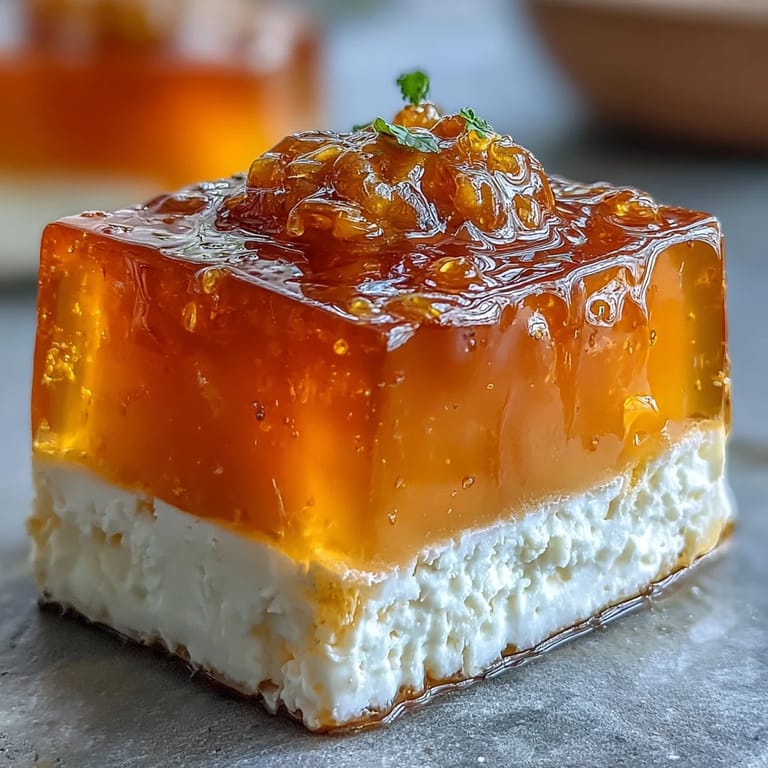
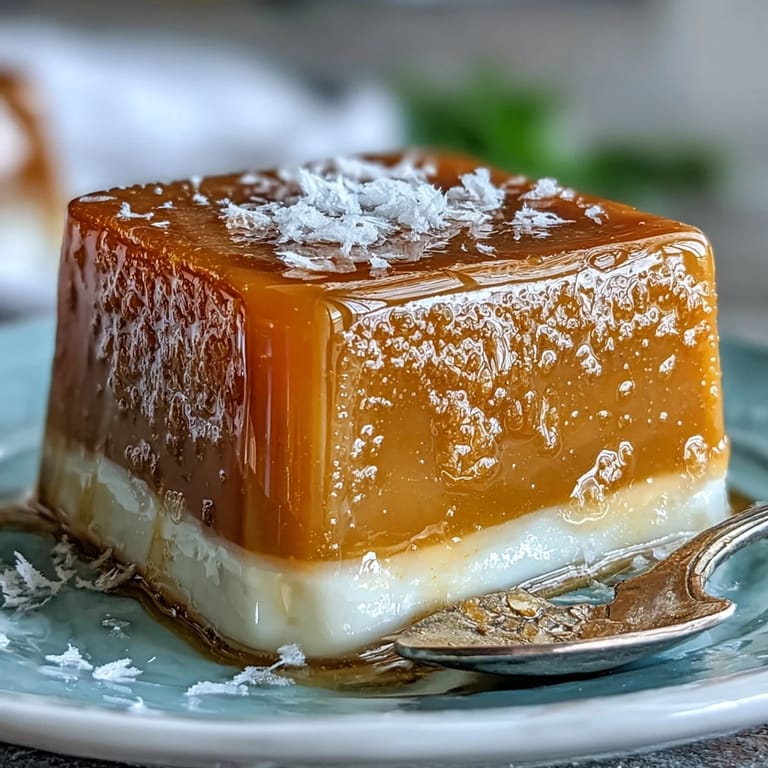
- With a sharp knife, cut into cubes and serve chilled, admiring those neat, jewel-like layers.
 Pin it
 The first time these came out in perfect cubes, we played a game guessing which layer had set better. It turned into a mini taste-test event, and the winning batch looked too pretty to eat—until someone (me) caved and started passing them around. Whenever I see those cheerful yellow and white blocks now, I remember laughter echoing around the kitchen and warm hands passing platters. A humble dessert became a little tradition, almost by accident.
What Makes Agar-Agar Special in Jellies
Unlike gelatin, agar-agar stays firm even outside the fridge, making these jellies picnic-proof and perfect for hot weather. Its delicate set surprises guests who expect rubbery cubes—this is gentle, clean, and melts just enough on your tongue. The texture is satisfyingly wobbly, not gummy. My first time using agar, I worried it might taste grassy, but with ripe fruit and coconut, it’s totally neutral. Now, I always keep a small jar ready for summer desserts.
Fun Flavor Variations
There are endless ways to riff on this base: pineapple gives it a zingy punch, while passion fruit brings a floral tartness. I once folded in diced kiwi for little green jewels, and that extra texture was a huge hit. For special occasions, try swirling a bit of raspberry puree atop the coconut layer before it sets—it looks like a little edible painting. If you’re daring, steep lemongrass in the coconut milk for a Southeast Asian twist. Every experiment feels like a walk through a sun-drenched market, tasting whatever’s in peak season.
How to Store and Serve for Best Texture
Jelly cubes keep well, but I like to eat them within two days for the freshest flavor and most delicate bite. Store the cubes in an airtight container in the coldest part of your fridge, and place parchment between layers so they don’t stick together. Serve super cold on hot days with extra cubed fruit if you want to elevate it.
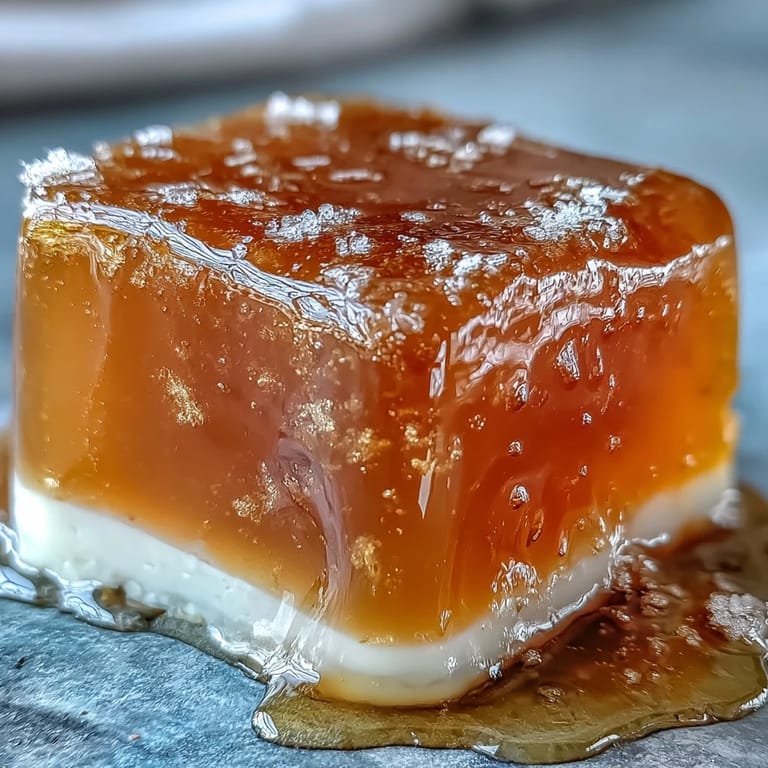
- Wipe your knife with a warm, damp cloth between each cut for ultra-clean edges.
- Let the cubes sit out 5 minutes before serving for the softest texture.
- A sprinkle of toasted coconut flakes adds color and crunch—don’t skip if you have them.
 Pin it
 When the sun’s blazing, Mango Agar-Agar Jelly Cubes are a small, cool delight for sharing with friends or savoring solo. Here’s to kitchen experiments, good fruit, and cool hands on a summer afternoon.
Frequently Asked Questions
- → How do I use agar-agar to set the layers?
Whisk agar-agar into the fruit purée or milk before heating. Bring to a boil and simmer 1–2 minutes to ensure the powder fully dissolves so the layer sets firmly.
- → How long should I chill before cutting?
After pouring the top layer, refrigerate at least 1½–2 hours until completely firm. Chilling longer helps achieve clean, stable cubes when slicing.
- → Can I substitute mango with other fruit?
Yes. Pineapple or passion fruit purée are great swaps; adjust sugar to taste and strain fibrous purées for a smoother jelly texture.
- → Why might the coconut layer separate or curdle?
Pouring a cold mango layer or pouring too quickly can cause separation. Cool the mango until just set and pour the warm coconut mixture slowly and evenly to prevent breaking.
- → Any tips for neat, professional-looking cubes?
Use an 8x8-inch mold, chill until fully firm, and cut with a hot, dry knife (wipe between cuts). A light press on the mold base helps release perfect cubes.
- → Can I add fruit pieces for texture?
Yes. Fold small diced fruit into the mango layer before it fully sets so the pieces suspend evenly instead of sinking to the bottom.