 Save
Save The first time I decided to make an edible centerpiece, I was terrified. Not because the concept seemed impossible, but because I'd invited people over who actually knew about food—the kind of guests where serving something forgettable would be quietly noted. I found myself sketching breadstick arrangements on the back of an old envelope at midnight, imagining how they might fan out like gilded fingers around a treasure of cheese. That nervous energy became the spark for The Gilded Cage, a dish that turned out to be far less intimidating than I'd feared, and somehow more impressive than anything I'd plated before.
I remember the hush that fell over the dinner table when I brought this out. Someone actually said, 'Did you make that?' with genuine surprise, and I felt the rush of quiet pride that only comes from pulling off something that looks impossibly elegant but was really just you, your hands, and some patience. That's when I knew this dish wasn't just about the cheeses or the breadsticks—it was about creating a moment where people felt like they were part of something special.
Ingredients
- All-purpose flour (250 g): This is your foundation, and using good-quality flour makes a noticeable difference in the texture and how easily the dough comes together.
- Instant dry yeast (1 tsp): The small amount is all you need for a gentle rise that won't overproof and make the breadsticks tough.
- Lukewarm water (150 ml): Temperature matters here—too hot kills the yeast, too cold and nothing happens, so aim for just warm enough to hold your finger comfortably.
- Olive oil (2 tbsp): This keeps the dough tender and gives the breadsticks a subtle richness that makes them taste homemade in the best way.
- Triple-cream Brie (100 g): The butteriest option; it melts slightly as the warm breadsticks lean against it, creating this luxurious pooling effect.
- Aged Comté (100 g): Nutty and complex, it anchors the softer cheeses with a sophisticated edge.
- Truffled goat cheese (80 g): This is where you add a whisper of luxury—the earthiness plays beautifully against the sharpness of the blue.
- Blue cheese like Roquefort (80 g): Don't be shy with this one; its boldness becomes a flavor anchor for the whole arrangement.
- Parmigiano Reggiano shards (50 g): The shaving texture adds visual texture and a salty, umami note that ties everything together.
- Egg yolk (1): The glaze is what makes the breadsticks golden and glossy, so don't skip this step.
- Sesame seeds (optional): They add a subtle crunch and catch the light in a way that makes the dome look even more sculptural.
Tired of Takeout? 🥡
Get 10 meals you can make faster than delivery arrives. Seriously.
One email. No spam. Unsubscribe anytime.
Instructions
- Build your dough:
- Combine your dry ingredients in a bowl, then add water and oil. The dough will feel shaggy at first, but as you knead, it transforms into something smooth and elastic—this usually takes about 8 to 10 minutes, and you'll feel the shift happen under your hands. Don't rush this; the kneading is what develops the gluten structure that makes the breadsticks chewy instead of crumbly.
- Let time do its work:
- Cover the bowl and place it somewhere warm—near a sunny window or on top of a turned-off oven works perfectly. You're looking for the dough to roughly double, which takes about 30 minutes. This rise is gentle and forgiving; even if it takes a bit longer, the breadsticks will turn out fine.
- Prep your workspace:
- Heat your oven to 200°C and line a baking tray with parchment paper. Having everything ready before you start dividing the dough keeps the process smooth and prevents the dough from drying out while you work.
- Shape with intention:
- Divide the risen dough into 18 to 20 pieces and roll each one into a thin stick about 3 mm thick and 25 cm long. Work gently so the sticks stay relatively even; they don't need to be perfect, and any slight irregularities actually add to the handmade charm. A light dusting of flour on your work surface keeps everything from sticking.
- Add your signature:
- Brush each breadstick lightly with beaten egg yolk—not so much that it pools, just enough to give a gentle shine. If you're using sesame seeds, sprinkle them on now while the glaze is still wet so they stick.
- Bake until golden:
- Slide the tray into the oven and bake for 15 to 18 minutes, turning the breadsticks halfway through for even browning. You'll know they're done when they're golden and feel crisp when you tap them—this is important because any softness means they won't hold up the dome properly. Let them cool completely on the tray; this is when they firm up and become the perfect structural component.
- Arrange your center:
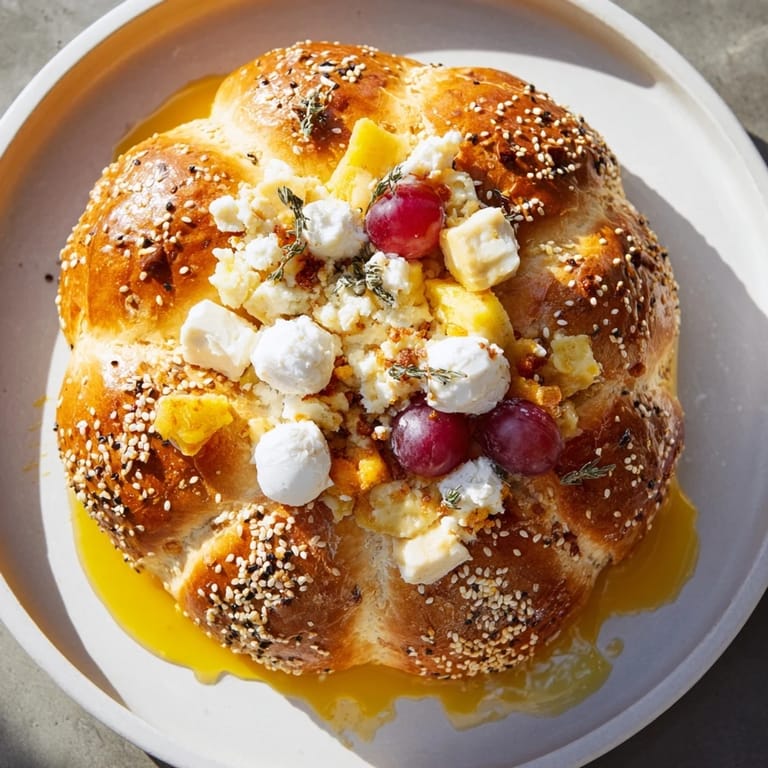
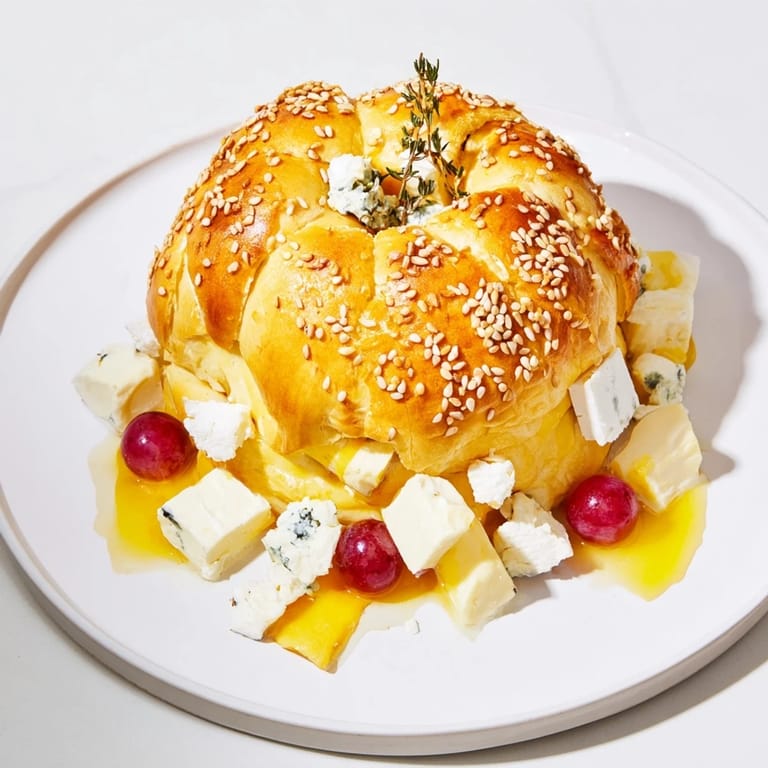
- On your serving platter, create a mound of cheeses in the center, mixing the types so colors and textures are visible. Scatter grapes around the base, drizzle with honey or fig jam, and add fresh thyme or rosemary sprigs for color and aroma.
- Construct the dome:
- This is where it gets fun and a little puzzle-like. Start by leaning breadsticks against the cheese mound, letting them rest on each other like a crown. Some people find it helpful to use a small bowl as a temporary base while building, then carefully remove it once the structure feels stable—the cheeses and breadstick weight will support everything once the dome takes shape. Work slowly and enjoy the process; this is the moment that makes the dish memorable.
 Pin it
 There's something about watching this dish come together that feels almost meditative. The repetition of rolling out breadsticks, the smell of them toasting in the oven, and then that quiet moment of construction when you're balancing sticks like you're building an architectural model—it all slows you down in a way that's become my favorite part of entertaining. It reminds me that sometimes the dishes that impress people most aren't the ones that are technically complex, but the ones where you can feel the care in every step.
Choosing Your Cheeses Wisely
The magic of this dish really lives in the cheese selection, and here's what I've learned: you want at least one soft cheese for creaminess, one aged cheese for depth, and one bold cheese for personality. The combination suggested here—Brie, Comté, goat cheese, and blue—creates this gorgeous landscape of flavors that keeps surprising you with each bite. But the beauty is that you can absolutely riff on this based on what's at your market or what your guests prefer. I've done versions with aged cheddar, creamy Taleggio, and even a sharp Manchego, and each one told a slightly different story. The key is thinking about contrast: soft against firm, mild against bold, and neutral against interesting.
The Breadstick Structure
The breadsticks are doing more than just looking pretty here; they're actually holding the whole thing together. I realized after my first attempt that properly crisp breadsticks are the difference between a dramatic showstopper and a leaning tower that collapses mid-presentation. The dough recipe I use is intentionally minimal—just flour, yeast, water, and a bit of oil—because you want the breadsticks to taste like themselves, not compete with the cheeses. When you're rolling them out, aim for consistency in thickness because thicker ones will stay crunchier while thinner ones can get a bit bendy. The sesame seeds aren't necessary, but they do add a final touch of elegance and a subtle texture that makes people ask for seconds.
Timing and Presentation Magic
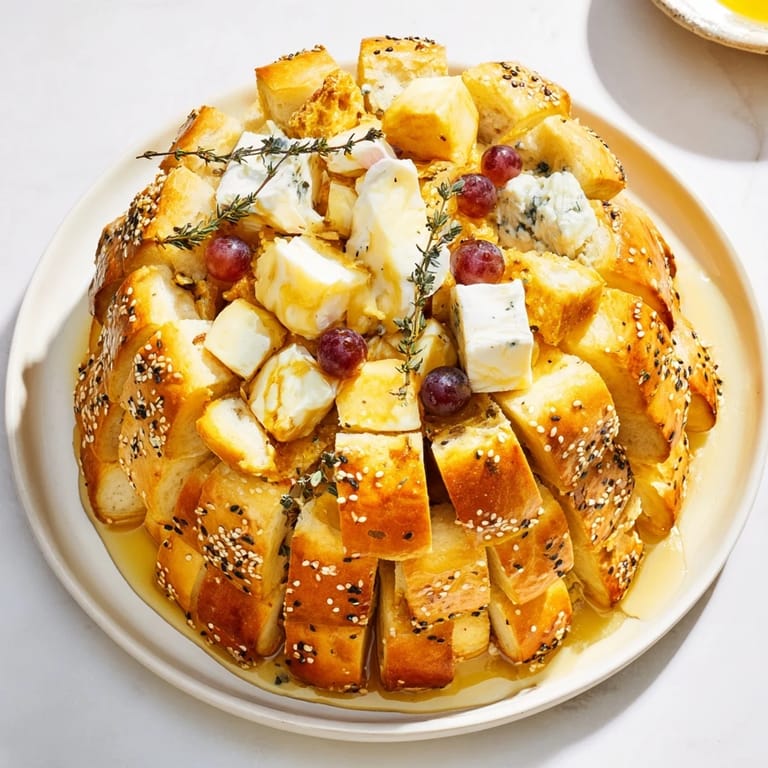
The beauty of this dish is that almost everything can be done ahead. You can make the breadsticks earlier in the day, store them in an airtight container, and assemble the whole thing just before guests arrive—literally 10 minutes before you want to serve it. The grapes, honey, and fresh herbs are what bring it to life at the last moment, so don't skip that step. If you're feeling extra, a light dusting of edible gold leaf on a few of the breadsticks transforms it from elegant to absolutely theatrical.
- Make the breadsticks up to 8 hours ahead and store them in an airtight container to keep them crisp.
- Assemble the dome no more than 20 minutes before serving so the breadsticks stay as crisp as possible.
- Have your serving platter and cheese ready to go so assembly feels effortless and confident.
 Pin it
 This dish has become my answer to the question of how to cook something that feels both effortless and impressive, because that's really what entertaining should be about. It's proof that you don't need to spend hours in the kitchen to create something memorable.
Frequently Asked Questions
- → What type of cheese works best for the dome?
A mix of creamy, aged, and tangy cheeses such as triple-cream Brie, aged Comté, truffled goat cheese, blue cheese, and Parmigiano Reggiano provides balanced flavors and textures that complement each other well.
- → How can I ensure the breadsticks hold their shape in the dome?
Make sure breadsticks are baked until crisp and cooled completely before assembling. Gently press them into the cheeses or use a small bowl as a mold to support the dome structure during assembly.
- → Can I prepare this centerpiece ahead of time?
You can bake the breadsticks a day in advance and store them in an airtight container. Assemble the dome shortly before serving to maintain freshness and texture.
- → Are there gluten-free alternatives for the breadsticks?
Yes, using a gluten-free flour blend and appropriate binding agents can produce crisp breadsticks suitable for gluten-free diets while maintaining structure.
- → What are some good accompaniments to serve with this centerpiece?
Seedless grapes, honey or fig jam, and fresh herbs like thyme or rosemary enhance flavors and add freshness. A crisp white wine or Champagne pairs excellently.
- → How do I add a decorative touch to this centerpiece?
Consider sprinkling sesame seeds on the breadsticks before baking or adorning with edible gold leaf after assembly for dramatic presentation.