 Save
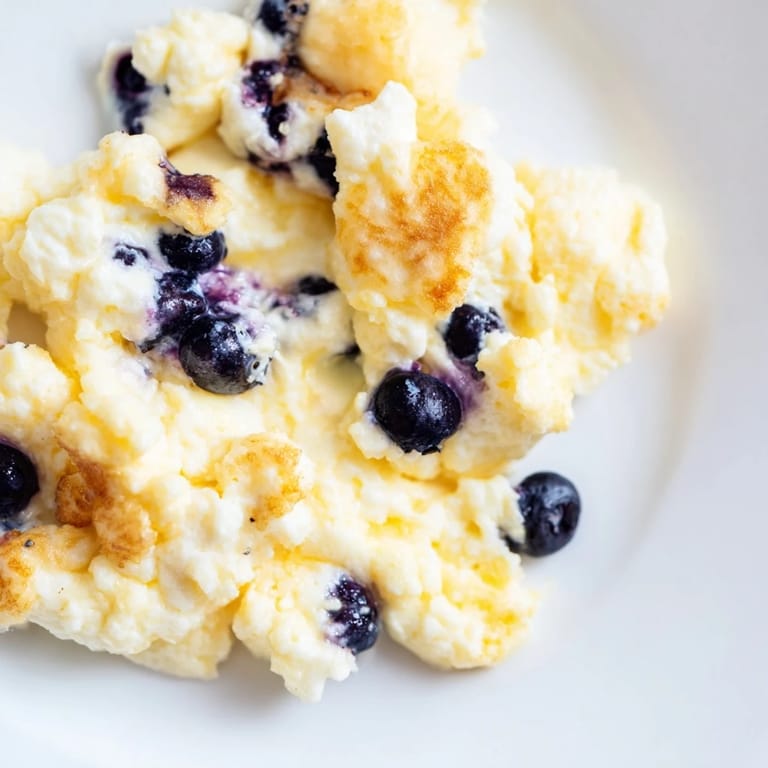
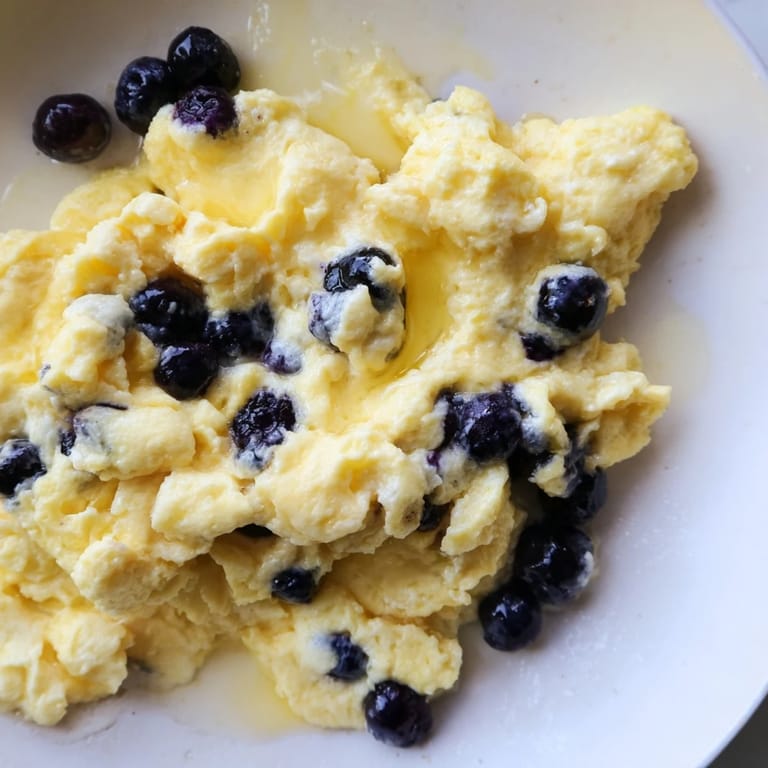
Save There's something wonderfully forgiving about the day I first scrambled pancake batter in a skillet instead of flipping individual cakes. My daughter was running late for school, I was out of patience for precision, and somehow pouring the whole bowl into a hot pan and stirring it like scrambled eggs felt less like a mistake and more like permission to relax. What emerged was soft, fluffy, and done in minutes—no burned edges, no flipping anxiety, just golden curds of pancake goodness that tasted even better than the fussy version I'd been making for years.
I served these to my sister and her skeptical teenager one Sunday brunch, watching them both get a little quiet the way people do when they're genuinely surprised by food. The kid asked if I'd made them in a fancy restaurant before and I realized scrambled pancakes occupy this strange, lovely middle ground—rustic enough to feel casual but refined enough to feel intentional. Since then, it's become the recipe I make when I want to impress without performing.
Ingredients
- All-purpose flour (1 cup): The structure of the whole thing; too much whipping develops gluten and makes them tough, so restraint with the whisking really matters.
- Granulated sugar (2 tbsp): Just enough to kiss the batter with sweetness without making them cloying.
- Baking powder and baking soda (1 tsp and ½ tsp): The dynamic duo that gets you fluffy; they need to work together, not against each other.
- Salt (¼ tsp): Don't skip this; it's what makes every other flavor speak louder.
- Eggs (2 large): Your binding agent and the reason these get so custardy in texture when cooked gently.
- Milk (¾ cup): Whole milk gives you richness, but low-fat works fine if that's what you have.
- Greek yogurt or sour cream (¼ cup): This is the secret sauce—it adds tang, moisture, and a tender crumb that makes people ask for the recipe.
- Melted butter (2 tbsp plus more for the skillet): Melt it fully so it incorporates smoothly, and don't be shy with the extra butter in the pan.
- Vanilla extract (1 tsp): A whisper of vanilla that rounds out all the warm breakfast flavors.
- Optional add-ins (blueberries, chocolate chips, or fruit, ½ cup): Fold these in gently at the very end so they distribute without breaking down.
Tired of Takeout? 🥡
Get 10 meals you can make faster than delivery arrives. Seriously.
One email. No spam. Unsubscribe anytime.
Instructions
- Combine your dry team:
- Whisk the flour, sugar, baking powder, baking soda, and salt together in a large bowl until there are no streaks of baking soda hiding in the corners. You're distributing the leavening evenly so every bite rises the same way.
- Marry the wet and dry:
- Pour eggs, milk, Greek yogurt, melted butter, and vanilla into the center of the dry mixture and whisk just until combined. Lumps are your friend here—overworking gluten ruins the tender texture, so stop as soon as you don't see dry flour.
- Fold in the fun stuff:
- If you're using blueberries or chocolate chips, scatter them over the batter and fold them in with a few gentle strokes of your spatula. They'll distribute as you cook.
- Heat your canvas:
- Set a large nonstick skillet over medium heat and let it warm for a minute. Add a small pat of butter and let it foam slightly; you'll know it's ready when it smells nutty and stops sizzling.
- Pour and wait:
- Tip all the batter into the skillet at once and resist the urge to touch it for 1 to 2 minutes. You want the bottom to set slightly and the top to look a little dull, which means it's building structure underneath.
- Scramble with intention:
- Using a spatula, gently push the cooked edges toward the center and let uncooked batter flow to the edges, exactly like you're making scrambled eggs. Work slowly and let the heat do the work; impatient stirring breaks everything into crumbs instead of fluffy curds.
- Watch for the finish:
- After another 3 to 4 minutes of gentle folding, the pancakes should be cooked through, lightly golden on the edges, and so soft they're almost custardy. If you see any wet batter pooling, give it 30 more seconds and a gentle stir.
- Plate and celebrate:
- Transfer to a warm plate and serve immediately with maple syrup, fresh berries, or whatever makes your morning feel special. They deflate slightly as they cool, so speed matters.
 Pin it
 I made these for my partner on a quiet Saturday morning when nothing was urgent and we had time to actually sit down together, and somehow the broken, rustic shape of them on the plate made the whole meal feel more intimate than a stack of perfect pancakes ever could. There's something about the word scrambled that makes people lean in a little closer, curious about what you've done differently.
The Beauty of Not Flipping
The first time someone asks why you're not flipping your pancakes, there's always a moment of doubt—am I doing this wrong, is this some kind of shortcut that ruins the whole thing. But the scrambling method is actually more forgiving than traditional pancakes because you're never fighting gravity or heat to flip something delicate. The edges cook gently into the mixture instead of burning while the center stays raw, and you end up with this beautiful, cohesive texture that feels both homemade and intentional.
Why Greek Yogurt Changes Everything
I used to make pancakes the old-fashioned way until someone mentioned that Greek yogurt adds moisture and tang without making anything heavy, and now I can't imagine breakfast without it. The yogurt keeps the pancakes tender for hours after cooking, adds a subtle richness that makes maple syrup taste even better, and honestly makes the whole kitchen smell like something special. It's one of those ingredients that works quietly in the background and never gets the credit it deserves.
Variations and Flavor Adventures
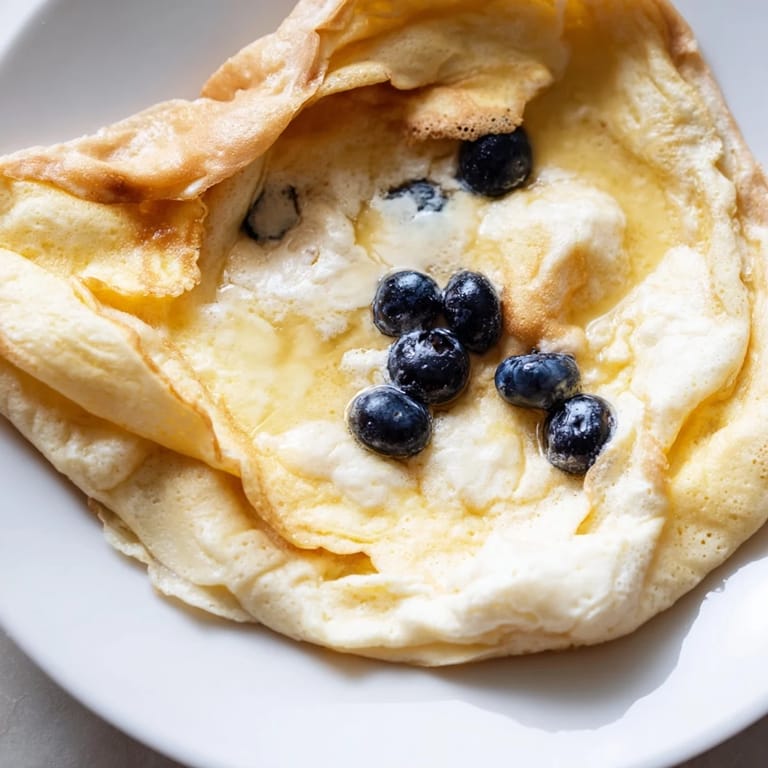
Once you understand the basic formula, scrambled pancakes become a canvas for whatever mood you're in. On mornings when I want something warm and spiced, I add cinnamon and a grating of fresh lemon zest; when I'm feeling indulgent, I fold in chocolate chips and serve with whipped cream. I've made them with mashed banana in the batter, scattered toasted pecans on top, even swirled in a little strawberry jam before cooking.
- Buttermilk swapped for Greek yogurt gives you a tangier, slightly more classic pancake flavor.
- A pinch of cardamom or nutmeg adds warmth without making anyone feel like they're eating dessert for breakfast.
- Fresh berries or diced peaches folded in at the end feel seasonally intentional and taste less sweet than add-ins like chocolate.
 Pin it
 Scrambled pancakes have become my answer to the impossible question of how to make breakfast feel both effortless and special. Now whenever someone rushes in hungry and tired, I pour a bowl of batter into a hot skillet and in less than ten minutes, they remember why mornings can be good.
Frequently Asked Questions
- → What makes these pancakes fluffy?
The gentle folding and scrambling during cooking create airy, tender curds that give these pancakes their fluffy texture.
- → Can I add fruits to the batter?
Yes, adding blueberries, diced fruit, or chocolate chips before cooking enhances flavor and texture without affecting the batter's consistency.
- → Is it necessary to use yogurt or sour cream?
Yogurt or sour cream adds moisture and a slight tang, contributing to softness, but buttermilk can be swapped for a similar effect.
- → How should the skillet be prepared?
Lightly grease a nonstick skillet with butter over medium heat to prevent sticking and promote even cooking.
- → What is the best way to cook the batter?
Pour into the skillet, let edges set, then gently scramble and fold the batter as it cooks to form soft, fluffy curds.
- → Can the eggs be whipped separately?
Whipping egg whites to soft peaks before folding in can increase fluffiness and lighten the texture.