 Save
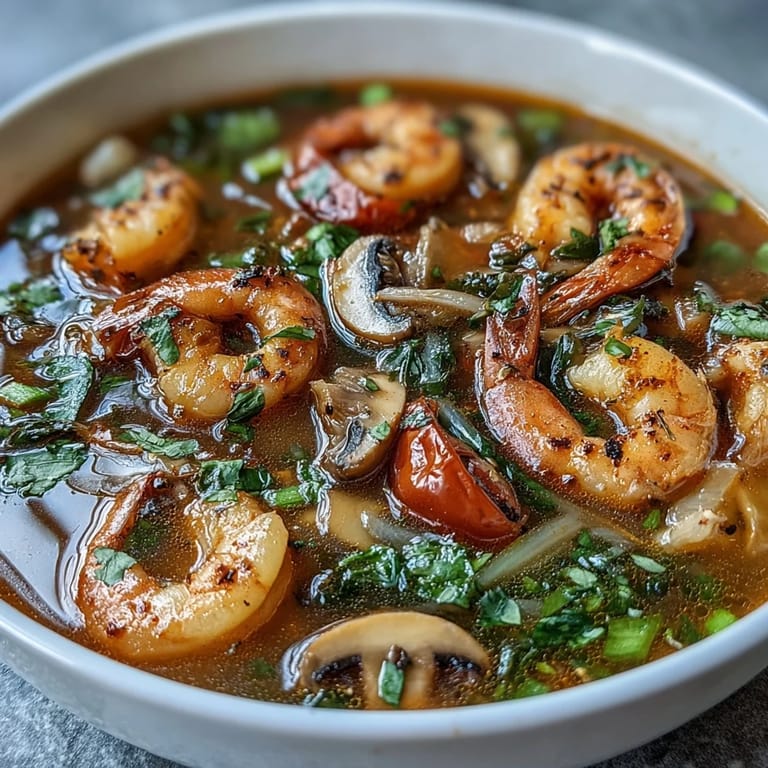
Save There's a moment during the humid Bangkok monsoon when a street vendor hands you a steaming bowl of tom yum and you finally understand why this soup has captivated Southeast Asia for generations. The first sip hits you with lemongrass brightness, then lime sharpness, then a creeping heat that makes you reach for water—and somehow that cycle keeps you coming back. My kitchen now smells like that vendor stall whenever I make it, and I've stopped apologizing for the aromatic invasion.
My neighbor smelled this cooking one evening and invited herself over—not out of rudeness, but genuine curiosity about that intoxicating aroma drifting through the walls. By the time I ladled her a bowl, she was already asking if I could make it once a week. That's when I realized tom yum isn't just soup; it's the kind of dish that makes people feel welcome in your kitchen before they even taste it.
Ingredients
- Chicken or vegetable stock (4 cups): The foundation should be something you'd actually drink on its own, not a sad cube dissolved in water—good stock lets the aromatics sing without overpowering.
- Lemongrass stalks (2, trimmed and smashed): Smashing releases the citrus oils trapped inside; don't skip this step or you'll miss half the soul of this soup.
- Kaffir lime leaves (4, torn): These are non-negotiable if you can find them—they add a floral lime note that bottled juice simply cannot match.
- Galangal (3 slices): If galangal eludes you, ginger works as a substitute, though the warmth will be slightly earthier than traditional.
- Thai bird's eye chiles (2, sliced): Start with one if you're heat-averse; these little peppers have a confident spiciness that builds as it sits.
- Mushrooms (200 g, sliced): Cremini, oyster, or shiitake all work—the earthy umami balances the brightness of the broth.
- Tomatoes (2 medium, wedged): Cut them into quarters so they soften naturally and release their juice into the soup instead of disintegrating.
- Onion (1 small, sliced): The sweetness mellows the heat and adds body to the broth as it cooks down.
- Garlic (3 cloves, smashed): Smashing, not mincing, keeps the pieces large enough to find and remove if you prefer a cleaner presentation.
- Shrimp (300 g, peeled and deveined): Medium shrimp work best—they cook through in minutes without becoming rubbery, and they absorb the broth's flavors beautifully.
- Fish sauce (3 tbsp): This smells funky solo but becomes the savory anchor that ties every element together; soy sauce works for vegetarian versions but shift the flavor profile subtly.
- Fresh lime juice (2 tbsp): Squeeze it fresh just before serving—bottled juice tastes flat and metallic by comparison.
- Sugar (1 tsp): Just a whisper to round out the sharpness of the lime and balance the heat.
- Chili paste (1 tsp nam prik pao, optional): This adds a smoky depth and thickens the broth slightly if you want it less broth-forward.
- Fresh cilantro and green onions: These final garnishes brighten everything and add a fresh crunch that contrasts the hot, aromatic broth.
- Lime wedges for serving: Let guests adjust sourness to their own preference—tom yum is deeply personal.
Tired of Takeout? 🥡
Get 10 meals you can make faster than delivery arrives. Seriously.
One email. No spam. Unsubscribe anytime.
Instructions
- Build your aromatic base:
- Bring the stock to a gentle boil, then add the lemongrass, kaffir lime leaves, galangal slices, sliced chiles, smashed garlic, and onion. Let this simmer for 10 minutes without rushing—you're not cooking fast, you're infusing deliberately, and the kitchen will fill with an aroma that justifies every minute.
- Add the vegetables:
- Toss in your sliced mushrooms and tomato wedges, then let them soften for 5 minutes until the mushrooms lose their raw firmness. This is when the broth starts to turn golden and take on the vegetables' sweetness.
- Cook the protein gently:
- Add your shrimp (or tofu for vegetarian) and let it simmer for just 2 to 3 minutes—shrimp overcooks in a heartbeat, and you want them tender and barely opaque, not bouncy and tough. If you've chosen tofu, give it 3 to 4 minutes to absorb the broth's flavors.
- Season to balance:
- Stir in the fish sauce, fresh lime juice, sugar, and chili paste if using, then taste honestly. Thai cooking is about balance, not perfection—adjust the heat, sourness, and saltiness so it feels right to your palate.
- Finish and serve:
- Remove from heat, ladle into bowls, and crown each with fresh cilantro and sliced green onions. Set lime wedges alongside so guests can adjust the sourness to their liking.
 Pin it
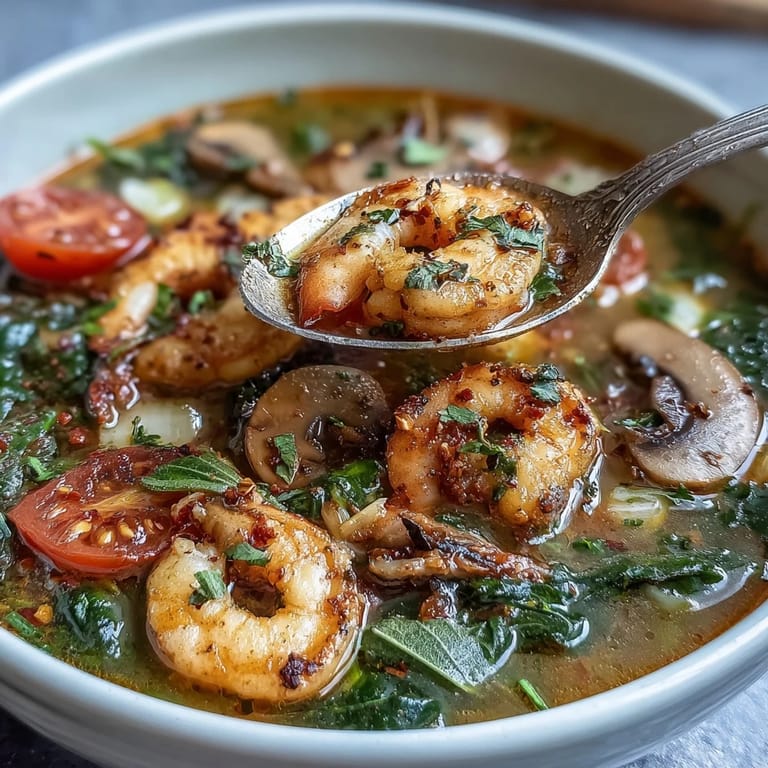
 The first time I made tom yum for someone who grew up eating it in Thailand, I held my breath as she took that first spoonful. She closed her eyes, and I thought I'd failed—then she smiled and said it reminded her of rainy afternoons at her grandmother's table. That's when food stopped being about technique for me and became about creating a moment someone could hold onto.
The Aromatics Are Your Canvas
Everything in this soup hinges on those first 10 minutes of infusion. Lemongrass, galangal, lime leaves, and chiles aren't ingredients to rush past—they're the storytellers. When you walk into the kitchen and smell that complex herbal steam rising from the pot, you know something real is happening. I've learned to sit quietly during this step instead of frantically prepping other things; it's worth the pause.
Shrimp Versus Tofu, and Why Both Matter
Shrimp brings briny sweetness and a delicate texture that contrasts the aggressive spice of the broth. Tofu, on the other hand, becomes an absorbing sponge for all those flavors—it's humble and lets the soup itself shine. I've made this both ways for different guests, and there's no hierarchy here; they're simply different stories. The vegetarian version teaches you that umami comes from fish sauce equivalents and layered vegetables, not from protein alone.
Customizing Your Heat and Sour Levels
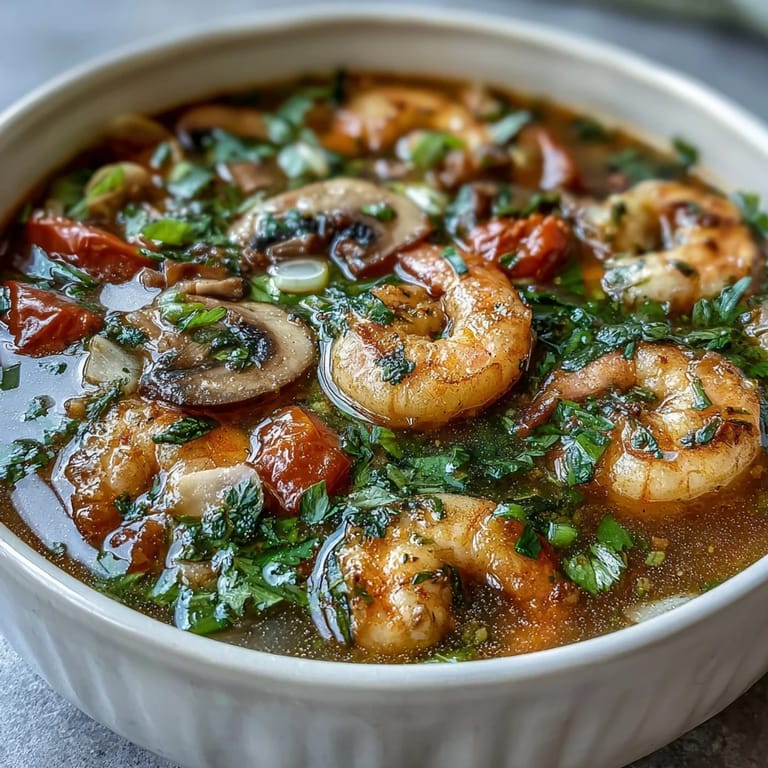
Tom yum respects personal preference in a way that's rare for traditional dishes. Some people want it so sour it makes their face pucker; others barely want heat. The genius is that you control this at the table with lime wedges and can adjust the chiles as you eat. I once served this to a group where heat tolerance ranged from mild to absolutely fearless, and everyone left happy because they made it their own.
- Start with one chile instead of two if you're unsure, and let guests add more to their bowl.
- Add extra lime juice to brighten it if the sourness fades after the soup sits.
- Taste as you season instead of adding everything at once—you're reaching for harmony, not dumping in flavors.
 Pin it
 Tom yum is one of those soups that tastes better on day two when all the flavors have settled into each other. If you find yourself making it again and again, you'll know you've unlocked something that feeds more than hunger.
Frequently Asked Questions
- → Can I make Tom Yum vegetarian?
Yes, substitute vegetable stock for chicken stock, use firm tofu instead of shrimp, and replace fish sauce with soy sauce. The flavor profile remains delicious and authentic.
- → How spicy is this soup?
The heat level depends on the Thai chiles. Start with one sliced chile, taste the broth, and add more if desired. You can always serve extra chiles on the side for those who prefer more heat.
- → What can I use if I can't find galangal?
Fresh ginger makes an acceptable substitute, though the flavor will be slightly different. Use the same amount and add it with the other aromatics when infusing the broth.
- → Can I prepare this in advance?
The broth base can be made ahead and refrigerated for up to 2 days. Add the protein and vegetables just before serving, as shrimp and tofu cook quickly and shouldn't be reheated multiple times.
- → What should I serve with Tom Yum?
Steamed jasmine rice is the classic accompaniment, helping to balance the bold flavors. You can also serve it as a starter course or enjoy it on its own as a light yet satisfying meal.
- → How do I store leftovers?
Store in an airtight container in the refrigerator for up to 2 days. Reheat gently over low heat to avoid overcooking the shrimp. The flavors often develop even more after resting overnight.