 Save
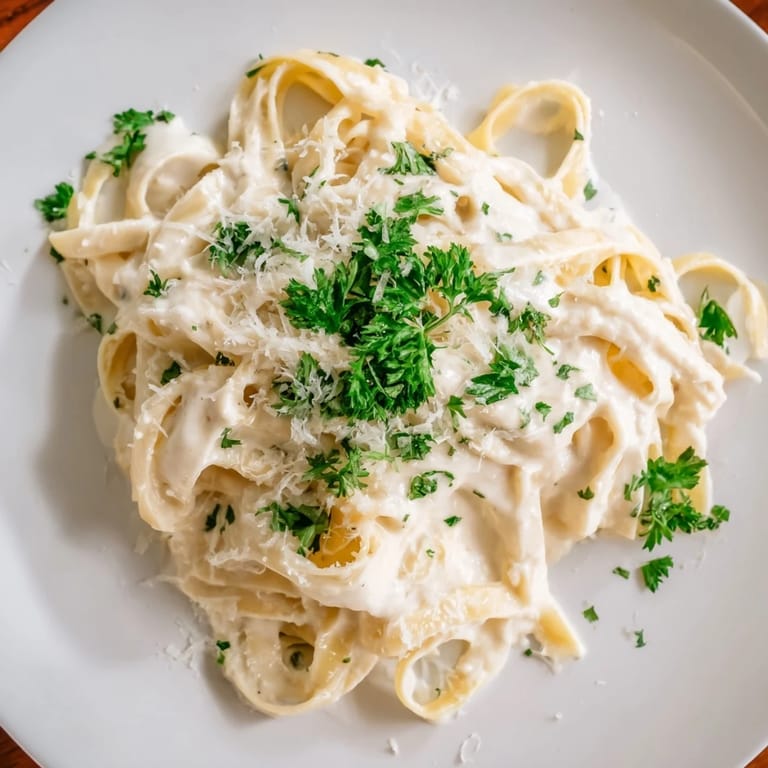
Save My blender was still warm when I tasted the sauce straight from the pitcher, and I couldn't believe something so silky came from cauliflower. I'd been trying to lighten up my weeknight pasta rotation without losing that creamy, indulgent feeling, and this felt like I'd cracked some kind of code. The roasted garlic sweetness mixed with nutmeg made the kitchen smell like an Italian grandmother had just walked through. I texted my sister a photo before I even plated it. She thought I was lying about the vegetables.
The first time I served this to friends, I didn't mention the cauliflower until everyone had seconds. One of them, who swore she hated cauliflower, actually looked betrayed when I told her. But she kept eating. The nutmeg was the trick, I think—it added this warmth that made the whole dish feel familiar and comforting, like something you'd eaten a hundred times before. We ended up sitting at the table much longer than planned, talking and twirling forks. That's when I knew this recipe was a keeper.
Ingredients
- Cauliflower: The star of the sauce, and roasting it instead of boiling makes all the difference by bringing out natural sweetness and depth.
- Garlic: Roasting whole cloves mellows the sharpness and turns them buttery soft, blending seamlessly into the sauce.
- Whole Milk: Adds creaminess without being too heavy, though you can swap in unsweetened almond or oat milk if you prefer.
- Parmesan Cheese: Use the real stuff, freshly grated, because pre-shredded doesn't melt as smoothly and the flavor is flatter.
- Unsalted Butter: Gives the sauce body and a subtle richness that rounds out the vegetables beautifully.
- Fettuccine: Classic choice for Alfredo, but any long pasta works, or even short shapes if that's what you have on hand.
- Ground Nutmeg: Just a whisper of it makes the sauce taste warm and almost nostalgic, like something from an old family recipe.
- Salt and Black Pepper: Season generously, tasting as you go, because cauliflower needs a little help to shine.
- Fresh Parsley and Extra Parmesan: Optional, but a bright sprinkle of parsley and extra cheese on top make it feel restaurant special.
Tired of Takeout? 🥡
Get 10 meals you can make faster than delivery arrives. Seriously.
One email. No spam. Unsubscribe anytime.
Instructions
- Get the Oven Ready:
- Preheat your oven to 425°F and line a baking sheet with parchment paper so nothing sticks and cleanup is a breeze.
- Prep the Cauliflower:
- Toss the cauliflower florets and peeled garlic cloves with 1 tablespoon of butter, spreading them out in a single layer so they roast evenly. You want them to have space to caramelize, not steam.
- Roast Until Golden:
- Slide the pan into the oven and roast for 25 to 30 minutes, stirring halfway through, until the cauliflower is deeply golden and fork-tender. The edges should be a little crispy and the garlic should be soft and sweet.
- Cook the Pasta:
- While the vegetables roast, cook your pasta in a big pot of well-salted boiling water according to the package directions. Before draining, scoop out a cup of the starchy pasta water and set it aside—it's liquid gold for adjusting the sauce later.
- Blend the Sauce:
- Add the roasted cauliflower, garlic, remaining butter, milk, Parmesan, nutmeg, salt, and pepper to a blender and blend until completely smooth and creamy. If it's too thick, add a splash of the reserved pasta water and blend again until it's silky.
- Combine and Heat:
- Pour the sauce into a large skillet over medium heat and let it warm through until just simmering, then add the drained pasta and toss everything together until every strand is coated. Add more pasta water if you need to loosen it up.
- Serve It Up:
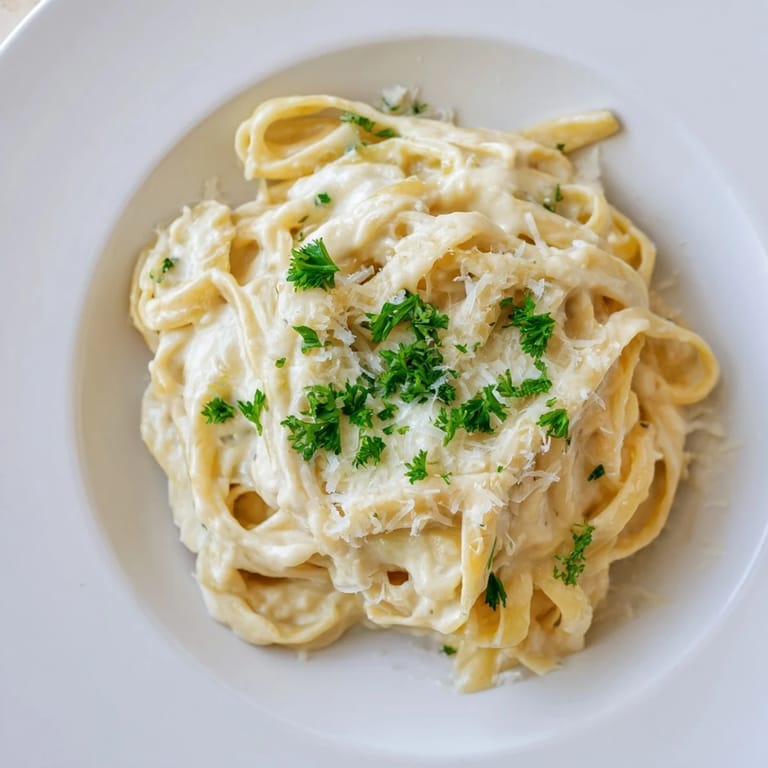
- Divide the pasta among bowls and top with a sprinkle of fresh parsley and extra Parmesan if you like. Serve it right away while it's hot and creamy.
 Pin it
 I remember making this on a cold Tuesday night when I didn't feel like cooking anything complicated, and it turned into one of those unexpectedly perfect meals. My partner wandered into the kitchen halfway through and said it smelled like we were having company over. We ended up eating on the couch, bowls balanced on our laps, and he kept saying he couldn't believe there was a whole head of cauliflower in there. It became our go-to comfort dinner after that, the kind of thing we'd make when we needed something easy but special. Sometimes the best recipes are the ones that surprise you.
How to Store and Reheat
The sauce keeps beautifully in an airtight container in the fridge for up to four days, and I actually think it tastes even better the next day once the flavors have melded. Reheat it gently in a skillet over low heat, stirring in a splash of milk or pasta water to bring back the creaminess. If you're storing the pasta and sauce together, add a little extra liquid when reheating because the noodles will soak up the sauce as they sit. I don't recommend freezing this one because the texture can get a little grainy when thawed, though the sauce alone freezes better than the dressed pasta.
Swaps and Variations
If you want to make this dairy-free, swap the milk for unsweetened almond or oat milk and use vegan butter and a good nutritional yeast or cashew Parmesan in place of the cheese. For a little protein, toss in some cooked chicken, shrimp, or white beans when you add the pasta to the sauce. I've also stirred in sautéed mushrooms or spinach for extra vegetables, and both worked beautifully. A squeeze of lemon juice at the end brightens everything up and cuts through the richness in the best way. If you're feeding kids or picky eaters, leave out the nutmeg or go easy on it since some people find it too distinctive.
Serving Suggestions
This pasta is rich enough to be the main event, but I love serving it with a crisp green salad dressed simply with lemon and olive oil to balance the creaminess. Garlic bread or a crusty baguette is perfect for soaking up any extra sauce left in the bowl. If you're making it for a dinner party, roast some cherry tomatoes alongside the cauliflower and toss them in at the end for pops of sweetness and color.
- Pair it with a glass of crisp white wine like Pinot Grigio or a light Chardonnay.
- Leftovers make an incredible baked pasta if you top them with mozzarella and broil until bubbly.
- For a fancier presentation, garnish with lemon zest, red pepper flakes, or toasted pine nuts.
 Pin it
 This dish has become one of those recipes I turn to when I want something comforting but not too heavy, and it never disappoints. I hope it becomes a favorite in your kitchen too, the kind of meal that feels like a warm hug at the end of a long day.
Frequently Asked Questions
- → Can I make this sauce ahead of time?
Yes, prepare the sauce up to 2 days ahead and refrigerate in an airtight container. Reheat gently over low heat, thinning with milk or reserved pasta water as needed before serving.
- → What type of pasta works best?
Fettuccine is traditional, but any pasta shape works well. Linguine, pappardelle, or even gluten-free alternatives pair beautifully with this creamy sauce.
- → How can I make this dairy-free?
Substitute whole milk with unsweetened plant-based milk, use dairy-free butter, and replace Parmesan with nutritional yeast or cashew-based parmesan for a vegan-friendly version.
- → Why does my sauce seem thin?
The sauce consistency depends on the water content of your roasted cauliflower. Add reserved pasta water one tablespoon at a time to reach your desired thickness, or blend longer for a smoother texture.
- → Can I add proteins to this dish?
Absolutely. Grilled chicken, roasted chickpeas, crispy bacon, or sautéed mushrooms complement this sauce beautifully and add substance to the meal.
- → What's the best way to roast the cauliflower?
Cut florets into similar sizes, toss with butter, and spread in a single layer. Roast at 425°F for 25-30 minutes, stirring halfway through, until golden and fork-tender for optimal flavor.