 Save
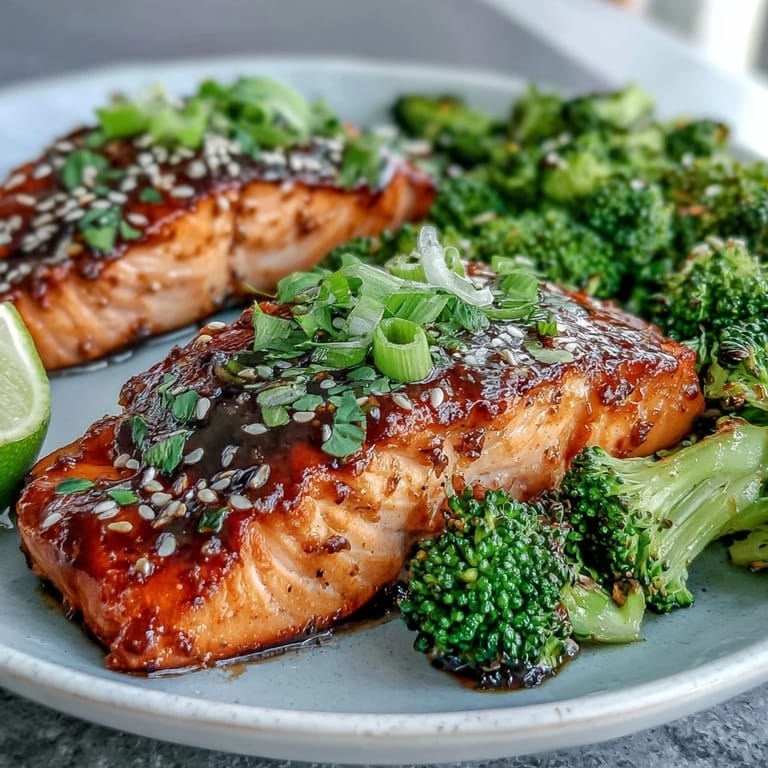
Save There's something about the sizzle of salmon hitting a hot pan that makes even a weeknight feel special. I discovered this honey-soy glaze completely by accident—I had leftover soy sauce and a bottle of honey staring at me from the pantry, and decided to just wing it. What came together was this glossy, mahogany-colored coating that tasted like it belonged in a restaurant, not my modest kitchen. The broccoli, tossed in sesame oil and seeds, became the perfect foil to the rich, umami-sweet salmon. Now it's become my go-to when I want to feel like I've made something impressive without actually spending much time on it.
I made this for my partner on a random Thursday evening after they'd had a brutal day at work, and watching their face light up when they tasted it made me realize food really does have healing powers. They asked for seconds before finishing their first plate, which honestly, never happens. Since then, it's become our quiet celebration meal—nothing fancy needed, just salmon, broccoli, and that amber glaze doing all the talking.
Ingredients
- Salmon fillets (4, about 150 g each): Look for bright pink flesh and a sweet ocean smell; if it smells fishy, it's not fresh. I prefer skin-on because it crisps up beautifully and holds the fillet together.
- Soy sauce (3 tablespoons, low sodium recommended): Low-sodium keeps you in control of the salt level without overpowering the honey's sweetness.
- Honey (2 tablespoons): This isn't just sweetness—it creates that glossy, caramelized finish that makes the dish look restaurant-worthy.
- Rice vinegar (1 tablespoon): The acid brightens everything and prevents the glaze from being cloying; don't skip it.
- Sesame oil (1 teaspoon for glaze, 1 tablespoon for broccoli): Real sesame oil has a nutty, toasted aroma that transforms simple ingredients into something aromatic and craveable.
- Garlic and ginger (2 cloves minced, 1 teaspoon grated): These two are your flavor backbone; fresh is always better, and grating ginger rather than mincing makes it distribute more evenly.
- Broccoli (400 g, about 1 large head): Cut florets into roughly the same size so they cook evenly and maintain that crisp-tender texture.
- Toasted sesame seeds (1 tablespoon): Toast them yourself if you can—the difference between raw and toasted is like the difference between a whisper and a shout.
- Olive oil (2 tablespoons): High smoke point is key here since you're searing at medium-high heat.
- Salt, pepper, spring onions, lime wedges: These finishing touches look simple but lift the entire dish from good to memorable.
Tired of Takeout? 🥡
Get 10 meals you can make faster than delivery arrives. Seriously.
One email. No spam. Unsubscribe anytime.
Instructions
- Get your oven ready and prep the salmon:
- Preheat to 200°C (400°F) and line a baking sheet with parchment paper while you pat those salmon fillets dry with paper towels. Dryness is crucial here—it's what gives you that golden, crispy exterior rather than a steamed, pale surface.
- Season generously:
- Both sides get salt and pepper, and don't be shy about it. This is your only chance to season the fish itself before the glaze takes over.
- Make the glaze with intention:
- Whisk together soy sauce, honey, rice vinegar, sesame oil, minced garlic, and grated ginger in a small bowl until the honey dissolves. Taste it straight from the whisk—it should make your mouth water, balancing sweet and salty in a way that feels alive.
- Sear the salmon:
- Heat olive oil in an oven-safe skillet over medium-high heat until it shimmers, then lay the salmon in skin-side down (if using skin-on) for 2–3 minutes. You want to hear that satisfying sizzle and watch the edges turn opaque; don't move it around.
- Flip and glaze:
- Flip the fillets gently, then pour that golden glaze right over them and transfer the whole skillet to the oven. If your skillet isn't oven-safe, transfer the fillets to your prepared baking sheet and brush them thoroughly with glaze.
- Roast until flaky:
- Salmon takes 7–9 minutes depending on thickness; it's done when it flakes easily with a fork but still has a touch of translucence inside. Overcooked salmon becomes dry, so set a timer and don't wander too far.
- Cook the broccoli while salmon finishes:
- Bring salted water to a boil and blanch florets for exactly 2 minutes, then drain and rinse under cold water to stop the cooking and lock in that bright green color. This prevents mushy broccoli.
- Toast the broccoli in sesame oil:
- Heat sesame oil in a large pan over medium heat, add the blanched broccoli, and sauté for 2–3 minutes until heated through and coated. Sprinkle with toasted sesame seeds and taste for salt.
- Plate and serve:
- Arrange sesame broccoli on plates, top with glazed salmon, and garnish with fresh spring onion slices and lime wedges. The lime is not optional—those bright notes make the whole plate sing.
 Pin it
 The first time my teenage niece came to visit, I made this salmon knowing she was picky about seafood. She took one bite of that glazed fillet and asked if I made it myself, which felt like winning a Michelin star. Now when she visits, it's her first request—and honestly, that moment of her opening up to salmon because of this dish means more to me than any compliment about my cooking ever could.
The Magic of the Glaze
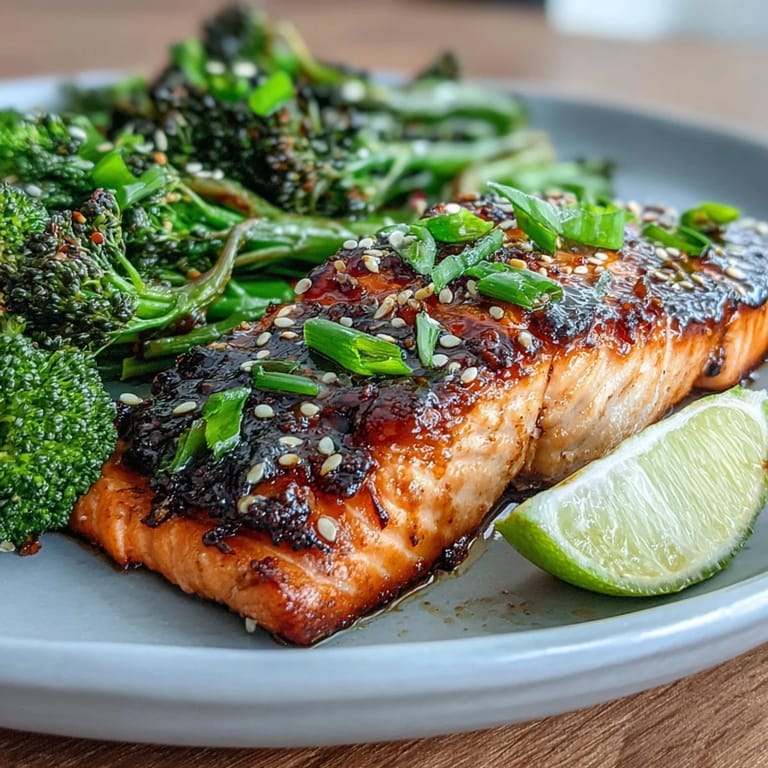
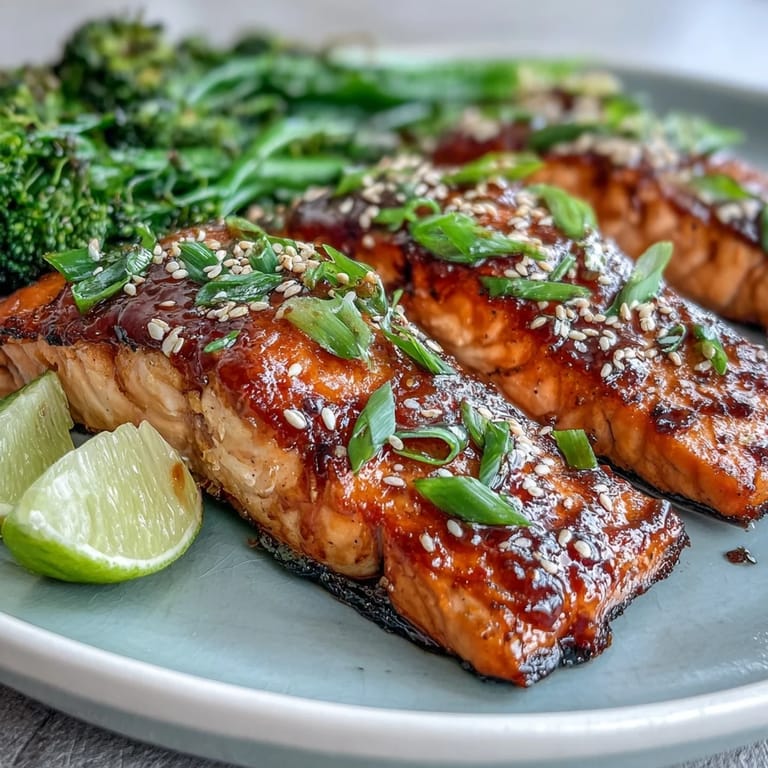
What makes this glaze special is that it's not just poured over at the end—it actually caramelizes during roasting, creating a slightly tacky, mahogany coating that tastes like umami and honey had a baby. The rice vinegar keeps it from becoming candy-sweet, while the sesame oil and fresh ginger add these subtle whispers of nuttiness and warmth. I learned this by accident when I experimented with different timing, and now I'm convinced this ratio is close to perfection.
Broccoli as More Than a Side Dish
Broccoli usually plays the thankless role of the vegetable you eat because you should, but sesame oil completely transforms it. The toasted seeds add texture and a subtle crunch, while the sesame oil brings this nutty depth that actually makes broccoli worth reaching for. It's no longer obligatory—it becomes something you look forward to, almost as much as the salmon itself.
Timing and Temperature Tricks
The key to nailing this dish every time is understanding that salmon continues cooking after you pull it from the oven, so aim for just a hair of translucence in the center rather than cooking it fully opaque. Oven temperatures vary wildly, and a salmon fillet thinner than average might need only 6 minutes while a thicker cut needs 10. The blanching-then-sauté method for broccoli ensures it's tender but still has structural integrity, which makes the whole plate feel more composed and intentional.
- Use a meat thermometer if you're nervous: salmon is perfectly cooked at 48–50°C internal temperature.
- Let the salmon rest for 2–3 minutes after roasting: this keeps the juices locked inside rather than bleeding onto the plate.
- Taste the glaze before it hits the salmon: if it's too salty or too sweet, adjust with a pinch of salt or a tiny drizzle of vinegar.
 Pin it
 This dish has become my answer to the question 'what should we make for dinner?' because it delivers restaurant-quality results without requiring you to be a skilled cook. It's proof that sometimes the simplest combinations, made with intention and fresh ingredients, are exactly what you need.
Frequently Asked Questions
- → How do I make the honey soy glaze?
Whisk together soy sauce, honey, rice vinegar, sesame oil, minced garlic, and grated ginger to create a balanced sweet and savory glaze.
- → Can I cook the salmon without skin?
Yes, skinless salmon fillets work well. Simply sear carefully to maintain firmness before roasting.
- → What’s the best way to cook the broccoli?
Blanch broccoli florets briefly, then sauté in sesame oil with toasted sesame seeds for enhanced flavor and texture.
- → Can I substitute ingredients in the glaze?
Yes, you can adjust sweetness with maple syrup or swap rice vinegar with apple cider vinegar for subtle variation.
- → What sides pair well with this dish?
Steamed jasmine rice or quinoa complement the flavors and complete the meal beautifully.