 Save
Save There's a specific Tuesday evening when my mac and cheese became the dish that got requested at every gathering after. I wasn't trying to reinvent anything—just stood at the stove with too many types of cheese in my hands and thought, why not use them all? That moment of reckless cheese abundance turned into something I've made dozens of times since, each time wondering why more people don't approach this classic with the same casual confidence.
I remember serving this to my neighbor who'd moved in across the hall, bringing it over in an old ceramic dish while it was still steaming. She ate three bites and just closed her eyes, and I realized then that comfort food doesn't need to be complicated—it just needs to be honest and made with intention. That dish came back empty the next morning with a note asking for the recipe.
Ingredients
- Elbow macaroni (350 g): The shape matters more than you'd think—those little curves trap the sauce and make every bite creamy.
- Unsalted butter (3 tbsp for sauce): Start with quality butter here; it's the foundation of your roux and you'll taste it.
- All-purpose flour (3 tbsp): This thickens your sauce without any fuss, whisked in hot butter until just golden.
- Whole milk, warmed (2 cups): Warm milk prevents lumps and makes the sauce come together faster—cold milk will seize up on you.
- Heavy cream (1 cup): This is what makes it taste decadent without being heavy; it balances the sharpness of the cheese.
- Sharp cheddar cheese, grated (200 g): This is your backbone—use the sharpest you can find, the kind that makes your jaw tighten a little.
- Gruyère or Swiss cheese, grated (75 g): Adds a subtle nuttiness that regular cheddar alone can't deliver.
- Parmesan cheese, finely grated (50 g): The secret weapon that makes people ask what that flavor is; use the good stuff, not the shaker.
- Dijon mustard (1 tsp): A pinch of sharpness that wakes up all the cheese flavors without tasting like mustard.
- Garlic powder, onion powder, salt, pepper, cayenne (as listed): Together they add depth without announcing themselves.
- Panko breadcrumbs (½ cup, for baked version): Creates that golden, crispy contrast against the creamy pasta underneath.
- Melted butter with extra Parmesan (for topping): Toss these together so the breadcrumbs get toasted and golden, not just sitting on top dry.
Tired of Takeout? 🥡
Get 10 meals you can make faster than delivery arrives. Seriously.
One email. No spam. Unsubscribe anytime.
Instructions
- Start with pasta that's almost there:
- Boil your salted water and cook the macaroni one or two minutes under the package time—it finishes cooking in the sauce and you want it tender, not mushy. Drain it and move on while it's still warm.
- Build your roux foundation:
- Melt butter over medium heat, whisk in flour, and watch it bubble and turn light golden. This takes about a minute or two—don't let it brown or you lose that clean, creamy flavor.
- Create the sauce carefully:
- Pour warm milk and cream in slowly while whisking constantly, watching it transform from thin to silky as the starch does its work. Simmer gently for about five minutes, stirring so nothing sticks to the bottom.
- Season before the cheese:
- Add your mustard, garlic powder, onion powder, salt, pepper, and cayenne to the warm sauce. This matters because seasoning cheese sauce after adding all that cold cheese is harder and less effective.
- Melt cheese into silence:
- Add your cheeses in batches, stirring until each handful disappears into the sauce completely. The whole process should feel almost meditative—no rushing or the cheese breaks.
- Bring it together:
- Fold in the drained pasta gently, making sure every piece gets coated with that creamy, cheesy goodness. If you're serving stovetop, this is done—spoon it into bowls and maybe add a little more cheese on top.
- Go golden if you're baking:
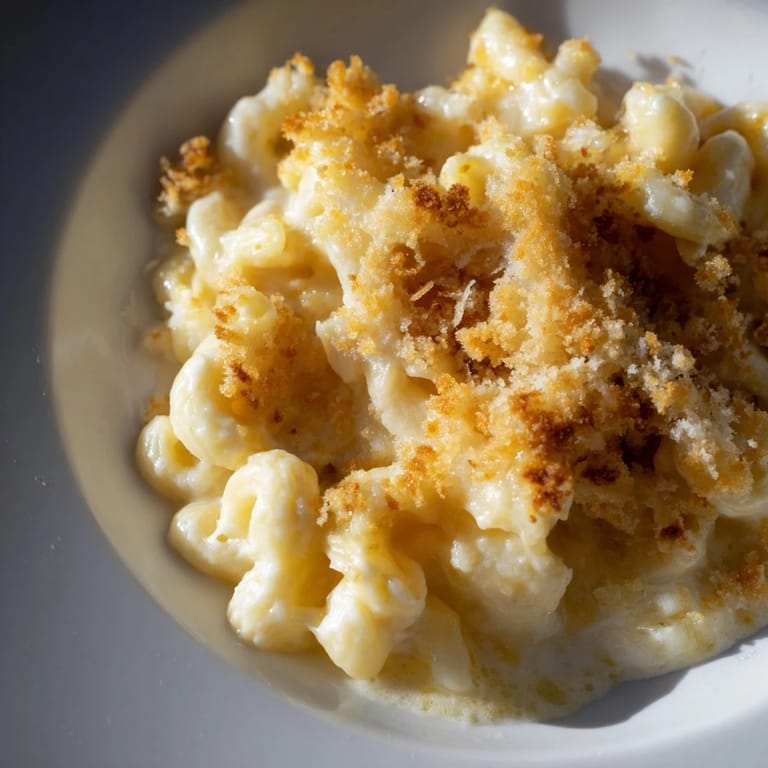
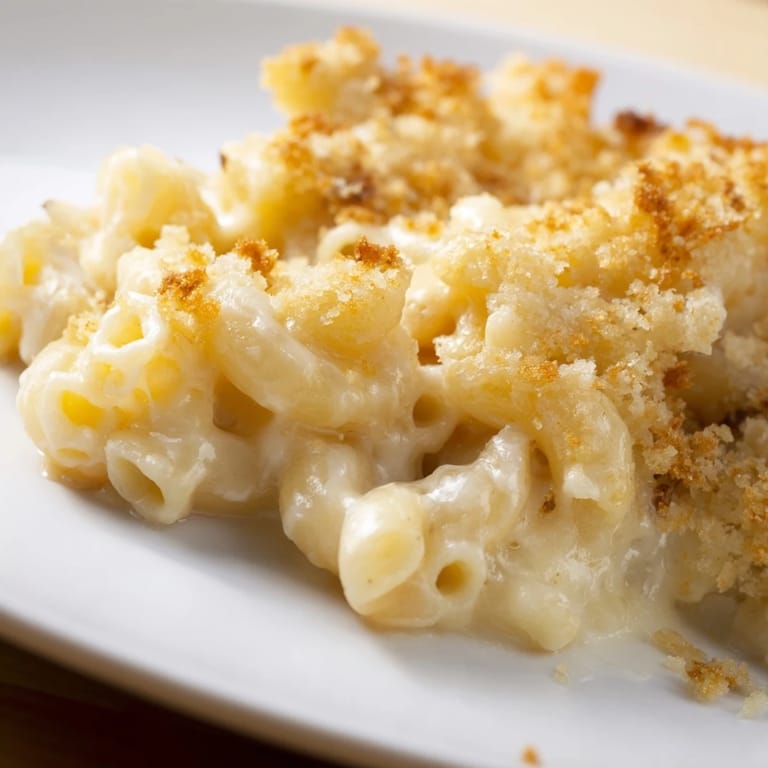
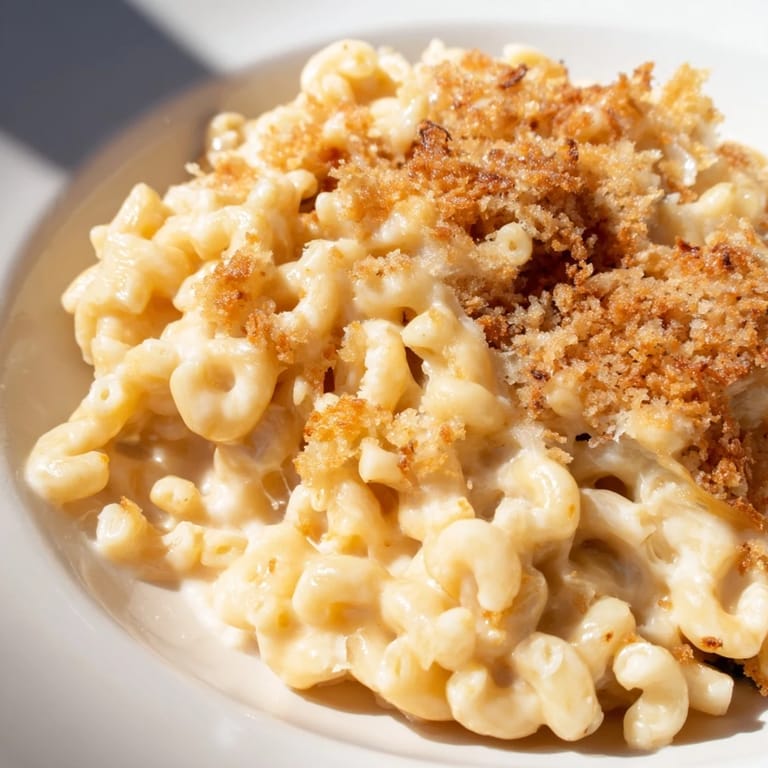
- Pour everything into a greased baking dish, mix your breadcrumbs with melted butter and Parmesan until they're evenly moistened, then scatter them over the top. Bake at 200°C for 20 to 25 minutes until it's bubbling at the edges and the top is deep golden—let it rest five minutes so the sauce sets slightly.
 Pin it
 What struck me most the first time I made this properly was how quiet my kitchen got. No one talked, just forks clinking against bowls, and that's when I knew I'd made something worth making again. It became the dish I make when I want to say something without words, when comfort matters more than impressing anyone.
When to Bake vs. Serve Stovetop
The stovetop version is for when you're hungry now and want that silky, almost liquid texture—it's what I make on weeknights when I need dinner fast. The baked version is for when you have fifteen extra minutes and want that textural contrast, that crispy top against creamy filling, and something that looks intentional when you set it on the table. Both are completely valid; the choice comes down to your mood and your timeline.
Building Flavor Layers
The reason this recipe uses three cheeses instead of one isn't showing off—it's because each one contributes something different. Cheddar brings the core, familiar sharpness; Gruyère adds that sophisticated nuttiness that makes people pause mid-bite; Parmesan brings salt and umami that rounds everything out. Together they taste complex in a way that a single cheese never can, even if that cheese is expensive.
Making It Your Own
The beauty of mac and cheese is that it's a canvas, not a rigid formula. I've made it with crispy bacon stirred through, with sautéed mushrooms that add an earthy depth, with blanched broccoli for color and nutrition. The core sauce and technique stay the same—everything else is negotiable. Pair it with something bright like a green salad and maybe a crisp Chardonnay if you're feeling fancy, or just eat it straight from the pot standing at the counter like I do most nights.
- Cook your add-ins first and fold them in with the pasta so flavors meld together.
- If you're freezing leftovers, do it before baking so you can bake straight from frozen, adding five extra minutes.
- Cold mac and cheese is genuinely good the next day, and even better warmed gently in the oven with a splash of milk stirred back in.
 Pin it
 This is the recipe I return to when I want to feed people something that matters, something that tastes like care and intention. It never fails, it never disappoints, and it somehow always ends up being the first thing that disappears from the table.
Frequently Asked Questions
- → What type of pasta works best?
Elbow macaroni is traditional, holding the sauce well, but small shells or cavatappi also work great.
- → How do I make the sauce smooth?
Whisk the butter and flour until lightly golden before slowly adding warm milk and cream. Stir constantly to avoid lumps.
- → Can I use different cheeses?
Yes, swapping Gruyère for Monterey Jack or mozzarella provides a milder flavor, while sharper cheddars add more punch.
- → How to get a crispy topping?
Combine panko breadcrumbs with melted butter and grated Parmesan, then sprinkle over before baking until golden.
- → Any tips for variations?
Adding cooked bacon, sautéed mushrooms, or blanched broccoli gives an enjoyable twist to the creamy base.