 Save
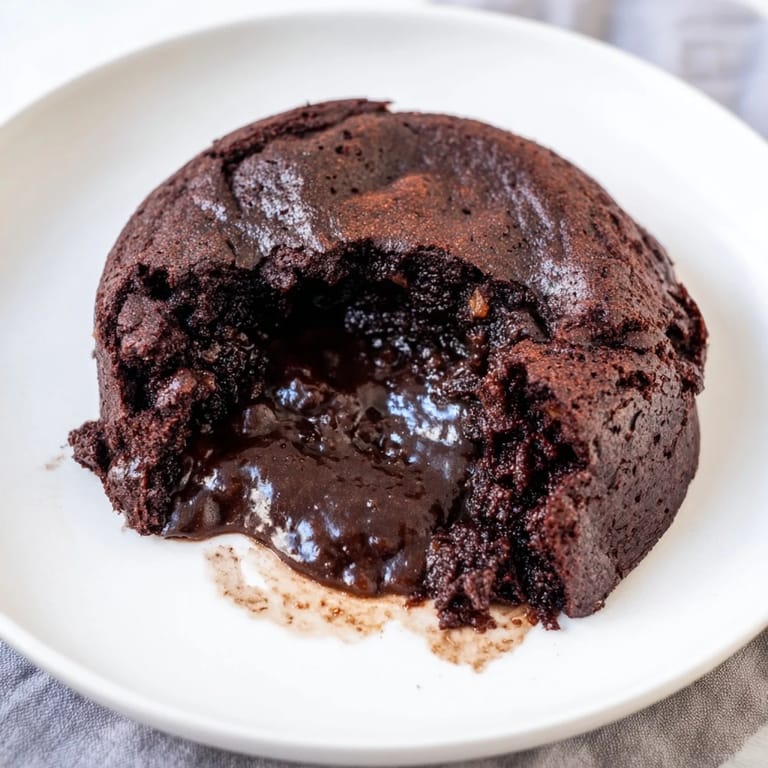
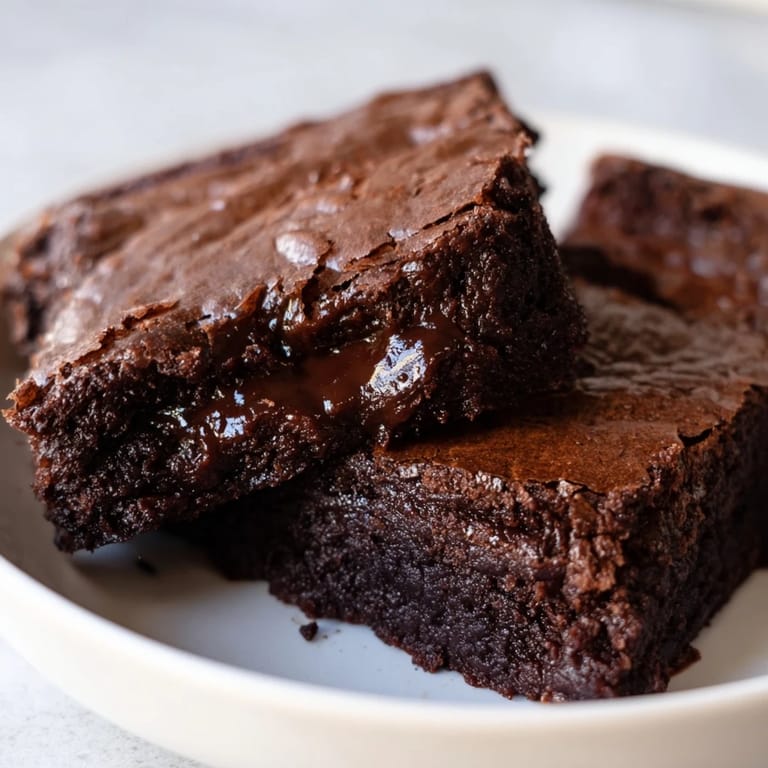
Save The first time I made this brownie pudding, I wasn't entirely sure what I was creating. The recipe seemed almost magical—bake it for an hour and somehow the top cracks into a fudgy shell while the center stays impossibly soft and sauce-like. I remember standing at the oven door, watching it puff up and then settle, wondering if I'd done something wrong. When I pulled it out and saw that crackling surface with the jiggle underneath, I knew I'd discovered something special.
I brought this to a small gathering last winter, and a friend took one bite and just closed her eyes. She didn't say anything for a moment, and honestly, that silence told me everything. Now whenever someone comes over, that's the dessert they ask for. It's become one of those recipes that people remember you by.
Ingredients
- Unsalted butter (225 g): Use the good stuff—it makes a difference in how silky the chocolate mixture becomes.
- Semisweet chocolate, chopped (170 g): Chopping it yourself rather than using chips helps it melt more smoothly and evenly.
- Large eggs at room temperature (4): Cold eggs won't whip up properly, so pull them out of the fridge about 20 minutes before you start.
- Granulated sugar (2 cups): This is what creates that ribbon-like mixture that traps air and makes the texture so light.
- All-purpose flour (1/2 cup): Don't skip the sifting—lumps will sink to the bottom and create weird pockets.
- Unsweetened cocoa powder (2 tbsp): The unsweetened version adds depth without extra sugar interfering with the pudding center.
- Vanilla extract (2 tsp): This rounds out the chocolate flavor in a way you might not expect.
- Kosher salt (1/4 tsp): Salt makes chocolate taste more like itself, trust me on this.
- Vanilla ice cream or whipped cream (optional but really, not optional): The cold dairy melting into the warm pudding is part of the whole experience.
Tired of Takeout? 🥡
Get 10 meals you can make faster than delivery arrives. Seriously.
One email. No spam. Unsubscribe anytime.
Instructions
- Get your oven and dish ready:
- Preheat to 325°F and butter your 2-quart baking dish well—this low temperature prevents the edges from cooking too fast. Set everything up before you start so you're not scrambling later.
- Melt chocolate and butter together:
- Use a heatproof bowl set over barely simmering water, stirring occasionally until completely smooth. Let it cool for a minute or two so the heat doesn't scramble your eggs when you mix them in.
- Whip eggs and sugar until they shine:
- This 5 to 10 minute step is not optional—you need the mixture pale, thick, and ribbon-like, which means you're incorporating lots of air that makes the pudding light. When you lift the beaters, the batter should fall in a ribbon that holds its shape.
- Combine everything gently:
- Add vanilla and salt at low speed, then pour in the cooled chocolate mixture, mixing just until you don't see streaks anymore. Overmixing deflates all that air you just worked to incorporate.
- Fold in the dry ingredients:
- Sift the flour and cocoa together, then gently fold with a spatula in a few additions, rotating the bowl and turning the batter over itself until you don't see any white streaks. This is where patience pays off.
- Set up the water bath:
- Pour batter into the dish, then place that dish inside a larger roasting pan with hot tap water coming halfway up the sides. This gentle, moist heat is what creates the pudding center while the edges cook to a proper brownie.
- Bake until it's ready:
- After about 1 hour, the top will look set and crackly but the center will jiggle slightly when you gently shake the dish. That jiggle is your signal—you're done.
- Cool and serve:
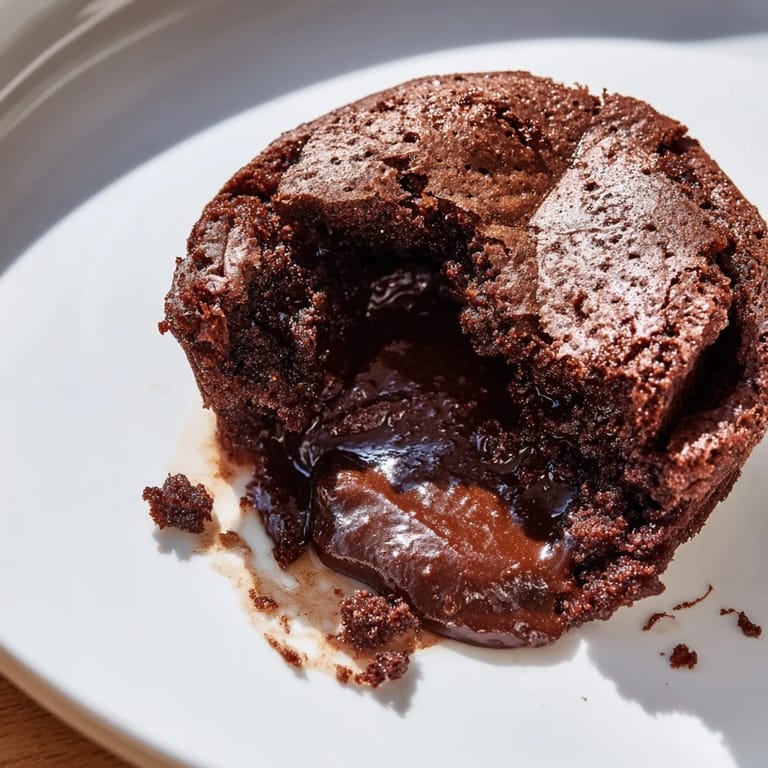
- Let it sit for at least 15 minutes so the structure sets up enough to spoon without it turning into complete sauce. Serve warm with ice cream melting into those gooey pockets.
 Pin it
 There's something about pulling a warm brownie pudding out of the oven and watching someone taste it for the first time—the surprise on their face when they realize the spoon goes right through the crusty top into that luscious center. Food doesn't always need to be complicated to be memorable.
The Water Bath Secret
I used to think water baths were intimidating, but they're really just a way of cooking something gently from all sides. The water stays around 180°F even though your oven is at 325°F, so the outsides cook at a controlled pace while the center stays soft. I've found that using hot tap water right from the start works fine—you don't need to boil water separately. Just make sure the water comes about halfway up the side of the baking dish and that your roasting pan is large enough that you're not crowding things.
Chocolate Matters Here
The type of chocolate you use affects the final flavor more than you'd expect. I've made this with bittersweet chocolate when I wanted something less sweet and dessert-y, and it turned into more of an after-dinner chocolate experience. Semisweet keeps it in that indulgent dessert territory without being cloying. If you really love intense chocolate, add a tiny pinch of espresso powder to the batter—it deepens the chocolate flavor without making it taste like coffee.
Serving and Storage
This dessert is best eaten the same day while it still has that contrast between the set edges and the gooey center, though you can make the batter ahead and bake it right before serving. If you have leftovers, cover them loosely and reheat gently in a warm oven for a few minutes to bring back that pudding texture. You can also halve the recipe and use a smaller baking dish if you're cooking for fewer people—the baking time stays about the same, maybe a minute or two less.
- Vanilla ice cream melting into the warm pudding is the classic pairing, but lightly whipped cream works too.
- Make sure your baking dish is deep enough that the water doesn't splash into the batter during the water bath setup.
- Let it cool for at least 15 minutes but serve it warm for the best texture contrast.
 Pin it
 This brownie pudding has become my go-to when I want to make something that feels special without spending hours in the kitchen. It's the kind of recipe that rewards you for paying attention to the details but forgives you if you're not a perfectionist.
Frequently Asked Questions
- → How do I achieve the crackly top on the brownie?
Beating the eggs and sugar until thick and ribbon-like before folding in the chocolate mixture creates a meringue-like layer that forms the crackly top during baking.
- → Why bake the batter in a water bath?
The water bath ensures gentle, even cooking and prevents overbaking, which keeps the center soft and pudding-like while setting the edges.
- → Can I use bittersweet chocolate instead of semisweet?
Yes, using bittersweet chocolate deepens the chocolate flavor and adds a slightly more intense richness to the dessert.
- → What are good serving suggestions for this dessert?
This dessert pairs wonderfully with vanilla ice cream or lightly sweetened whipped cream, adding creamy contrast to the warm, rich chocolate.
- → How can I ensure the center remains gooey without overbaking?
Bake the dish precisely for one hour and allow it to cool slightly; the center should be set but still soft and molten. Avoid extending baking time.