 Save
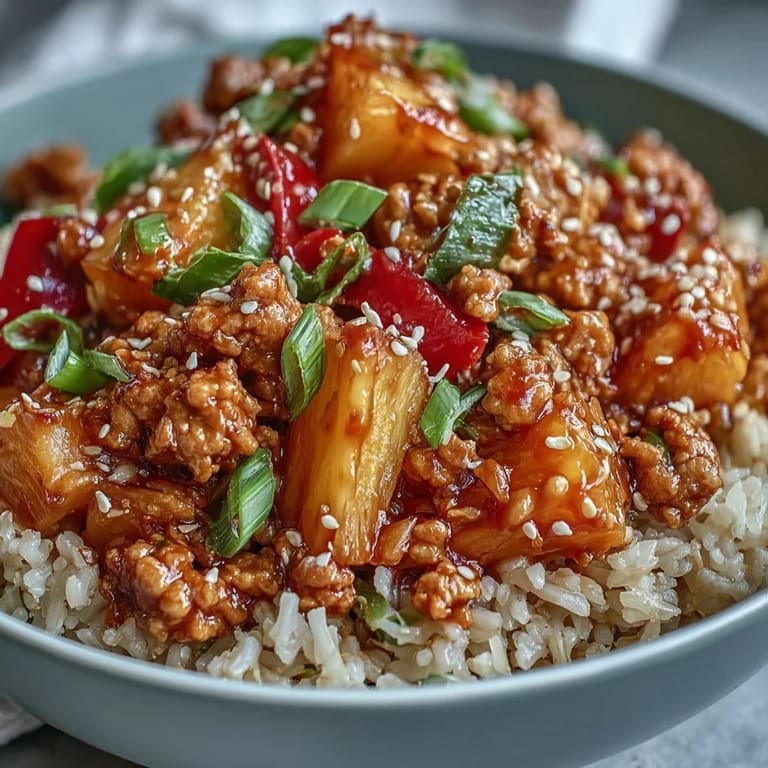
Save There's something about the sizzle of ground turkey hitting hot oil that makes a weeknight feel like you're cooking something special, even when you're standing in your kitchen in yesterday's clothes. I discovered this sweet-and-sour skillet during a phase where I was obsessed with making restaurant-quality meals in under 40 minutes, armed with nothing but one pan and whatever was hiding in my pantry. The combination of gochujang's subtle heat, pineapple's bright sweetness, and rice soaking up all that savory sauce felt like a small victory every single time. It became the dish I'd make when someone important was coming over on short notice, or when I just needed to feel like I had my life somewhat together. Now it's the one my friends request, the one that somehow tastes even better as leftovers.
I made this for my neighbor one Thursday evening when she mentioned feeling stuck in a cooking rut, and watching her face when she tasted it reminded me why I keep coming back to this recipe. There's something about pineapple and gochujang together that just works, and seeing someone experience that combination for the first time never gets old. She's made it at least a dozen times since, and now she texts me photos of her variations.
Ingredients
- Ground turkey (1 lb): Lean, cooks quickly, and absorbs the sauce beautifully without getting greasy; make sure it's fully broken up as it cooks so every bite has that savory base.
- Red, green, and yellow bell peppers: The colors matter here, not just for looks but because each pepper adds slightly different sweetness and flavor layers to the dish.
- Fresh pineapple chunks (1 cup): If using canned, drain them really well or they'll make everything soggy; fresh is brighter but canned works when that's what you've got.
- Gochujang (1 tbsp): This Korean chili paste is the soul of the dish, bringing depth and a gentle heat that plays against the sweetness rather than overpowering it.
- Soy sauce, rice vinegar, and sesame oil: This trio creates the backbone of the sauce—the acid, the umami, and the aromatics that make everything sing.
- Day-old cooked rice (2 cups): Cold or room-temperature rice actually works better here because it won't turn mushy when you toss it in the hot pan.
- Brown sugar (1 tbsp): Just enough to balance the vinegar's tang and the chili paste's edge.
Tired of Takeout? 🥡
Get 10 meals you can make faster than delivery arrives. Seriously.
One email. No spam. Unsubscribe anytime.
Instructions
- Start with the turkey:
- Heat a tablespoon of oil in your skillet over medium-high heat until it shimmers, then add the ground turkey and break it apart with your spoon as it cooks—you're looking for that moment when the pink disappears and the edges just start to caramelize, about 5 to 6 minutes. Season it lightly and move it to a plate; don't worry if it's not perfectly browned because it'll cook again later.
- Build the aromatics:
- Add the rest of the oil to the same skillet, then toss in your chopped onion and minced garlic and let them get fragrant and just slightly translucent—about 2 minutes of stirring. Your kitchen should smell incredible at this point, and that's how you know you're on the right track.
- Add the color:
- Stir in those diced bell peppers and let them soften just enough that they're tender but still have a little snap—3 to 4 minutes does it. You want them cooked, not sad.
- Bring it together:
- Return the turkey to the pan, add your pineapple chunks, and give everything a good toss so the flavors start mingling. This is when it really starts to look like something.
- Make the sauce magic:
- While everything's in the pan, whisk together your soy sauce, rice vinegar, ketchup, gochujang, brown sugar, and sesame oil in a small bowl until smooth, then pour it all over the turkey and vegetables and toss until everything's coated. The sauce will smell incredible, and your kitchen might get even better.
- Bring in the rice:
- Add your cooked rice, breaking up any clumps with your spoon, and stir everything together until the rice is hot and has absorbed some of that glossy sauce—about 3 to 4 minutes of frequent stirring. This is where the magic really happens because every grain gets a taste of that sweet-and-sour coating.
- Taste and adjust:
- Before you serve it, taste a bite and see if you want more salt, more heat from gochujang, or more sweetness from the sugar; seasoning is personal, and you're the best judge of what your version needs.
- Optional egg topping:
- If you're adding fried eggs, heat a small nonstick pan with a touch of oil and fry them sunny-side up while everything else finishes, then crown each bowl with a warm, runny yolk. It's not necessary but it's pretty special.
- Finish with garnish:
- Scatter sliced scallions and toasted sesame seeds over each portion right before serving for that bright, nutty final touch.
 Pin it
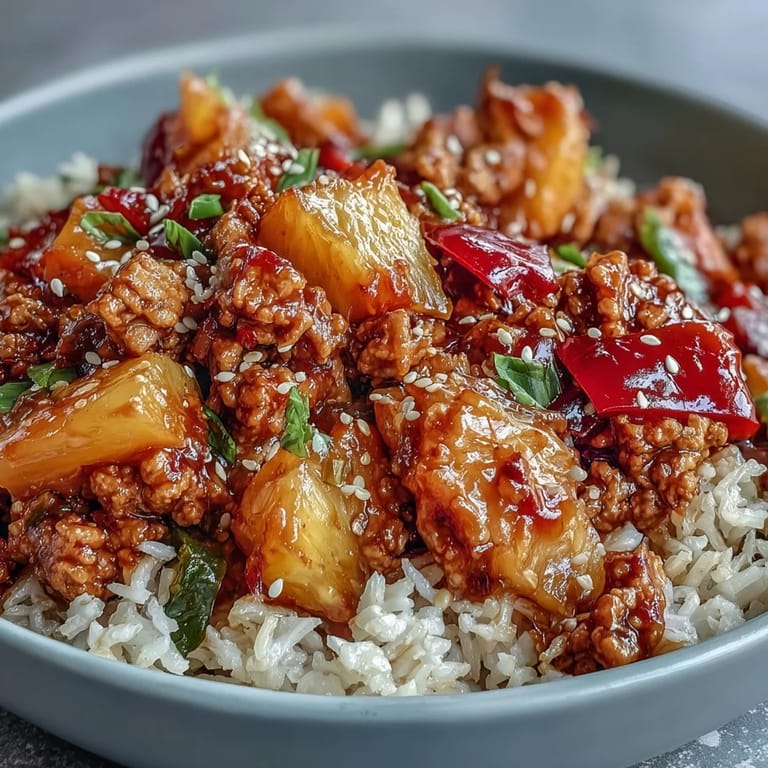
 There was an evening when I made this for a group of friends who were all stressed about their jobs, and somehow that one pan of sweet-and-sour turkey and rice became the thing that made everyone slow down and actually enjoy a meal together. Food doesn't have to be complicated to matter.
Why This Works as a Weeknight Dinner
The beauty of this skillet is that it requires almost no advance preparation and almost no downtime—while the turkey cooks, you can dice your peppers, and while everything simmers together, you're just standing there, occasionally stirring. It's the kind of meal that fits into real life, not the life you imagine living when you're reading recipe blogs at midnight. The sauce does almost all the flavor work, so even if your ingredients aren't perfect, the dish still comes together beautifully.
Customizing to What You Have
This recipe feels forgiving because it honestly is—I've made it with ground chicken when turkey was out, substituted snap peas for half the bell peppers when I was running low, and once used white wine vinegar instead of rice vinegar and it still tasted great. The core structure is strong enough that it can handle your substitutions, which is rare and wonderful in a recipe. The one thing I wouldn't skip is the gochujang because that's really what gives this dish its character, but everything else can flex based on your pantry and preferences.
Storage and Make-Ahead Tips
This actually tastes better the next day after the flavors have had time to get to know each other, and it keeps beautifully in the refrigerator for up to 3 days in an airtight container. You can even freeze it for up to a month if you want to stash a portion away for a future rough evening when you need dinner without thinking. The only thing that sometimes gets a little softer is the bell pepper texture, but the taste is honestly even deeper on day two.
- Reheat gently in a skillet with a splash of water to bring back the sauce's gloss.
- If meal prepping, portion it into containers while still warm so it distributes evenly.
- Toss it with a little sesame oil right before reheating if it seems dry.
 Pin it
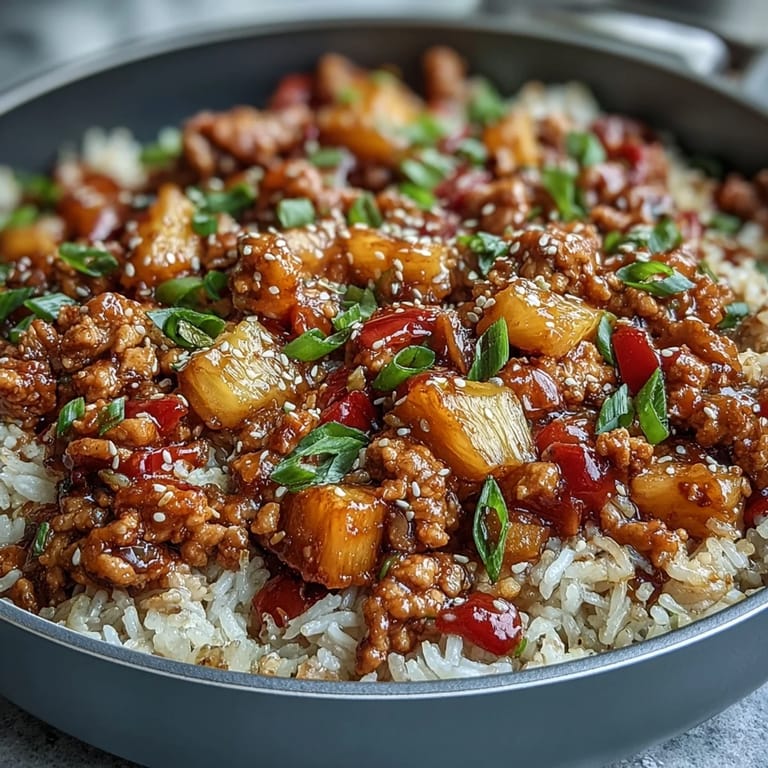
 This recipe has become my go-to when I want to feel like I've cooked something impressive without spending all evening in the kitchen. It's the kind of meal that reminds you why cooking for yourself and others matters.
Frequently Asked Questions
- → Can I use fresh rice instead of day-old?
While day-old rice works best as it's drier and less sticky, you can use freshly cooked rice. Spread it on a baking sheet and let it cool for 15-20 minutes before adding to the skillet. This helps prevent clumping and maintains texture.
- → What can I substitute for gochujang?
If you don't have gochujang, substitute with sriracha mixed with a teaspoon of miso paste, or use red pepper flakes with a touch of tomato paste. The flavor won't be identical, but you'll still get a nice spicy kick.
- → Is this dish freezer-friendly?
Yes! Let the skillet cool completely, then transfer to an airtight container or freezer bag. It will keep well for up to 3 months. Thaw overnight in the refrigerator and reheat in a skillet with a splash of water or broth.
- → Can I make this vegetarian?
Absolutely! Replace the ground turkey with crumbled extra-firm tofu, or use plant-based ground meat alternative. Adjust cooking time accordingly—tofu will need about 5-6 minutes to brown and absorb flavors.
- → How spicy is this dish?
The spice level is mild to medium, depending on how much gochujang you use. Start with one tablespoon and taste before adding more. You can always increase the heat with red pepper flakes or additional chili paste.
- → Can I use brown rice instead of white?
Certainly! Brown rice works well and adds extra fiber. Just note that brown rice has a nuttier flavor and heartier texture that pairs nicely with the sweet-and-sour sauce. Cooking time remains the same.