 Save
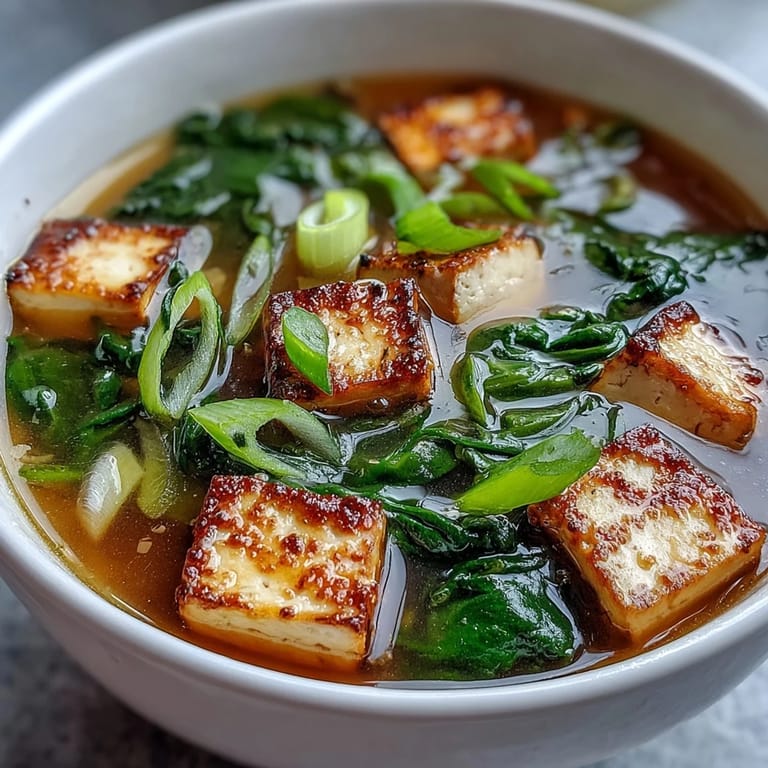
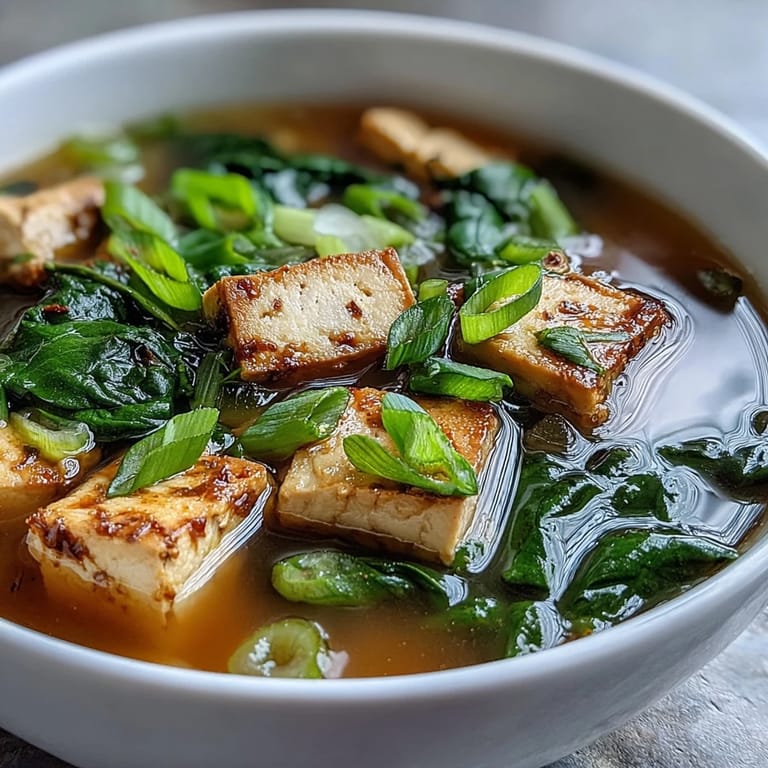
Save There's something profoundly comforting about a steaming bowl of miso soup—its gentle warmth, umami-rich broth, and nourishing simplicity make it a beloved staple of Japanese cuisine. This classic version features silky cubes of tofu, vibrant fresh spinach, and aromatic green onions, all swimming in a savory dashi-miso broth that soothes the soul. Whether you're looking for a light starter, a quick lunch, or a wholesome addition to your dinner table, this miso soup delivers authentic Japanese flavor in just 20 minutes.
Pin it Miso soup is more than just a recipe—it's a daily ritual in Japanese households, traditionally served at breakfast, lunch, and dinner. The key to exceptional miso soup lies in the quality of your ingredients and gentle cooking techniques. Never let miso boil after adding it to the broth, as high heat can destroy its delicate probiotics and complex flavor profile. The dashi provides the essential umami foundation, while the miso paste adds depth, saltiness, and that characteristic fermented richness. Combined with protein-rich tofu, iron-packed spinach, and bright green onions, this soup becomes a complete, balanced dish.
Ingredients
Tired of Takeout? 🥡
Get 10 meals you can make faster than delivery arrives. Seriously.
One email. No spam. Unsubscribe anytime.
- 4 cups (1 liter) dashi stock (use kombu-based for vegetarian)
- 3 tablespoons white or yellow miso paste
- 120 g (4 oz) firm tofu, cut into 1/2-inch cubes
- 2 cups (60 g) fresh spinach leaves, washed and roughly chopped
- 2 green onions (scallions), thinly sliced
Instructions
- Step 1: Heat the Dashi
- In a medium saucepan, bring the dashi stock to a gentle simmer over medium heat.
- Step 2: Dissolve the Miso
- Place the miso paste in a small bowl. Ladle about 1/2 cup of hot dashi into the bowl and whisk until the miso dissolves completely, then return the mixture to the saucepan. Do not let the soup boil after adding miso.
- Step 3: Add the Tofu
- Add the tofu cubes to the pot and simmer gently for 2–3 minutes until heated through.
- Step 4: Wilt the Spinach
- Stir in the spinach and cook for 1–2 minutes until just wilted.
- Step 5: Finish with Green Onions
- Remove the soup from heat. Stir in the sliced green onions.
- Step 6: Serve
- Ladle into bowls and serve immediately.
Zusatztipps für die Zubereitung
The technique of dissolving miso paste in a small amount of hot broth before adding it to the pot is essential for achieving a smooth, lump-free soup. This method, called miso-koshi in Japanese, ensures even distribution of the paste throughout the broth. When selecting your tofu, firm or medium-firm varieties work best as they hold their shape during cooking without falling apart. If you're making your own dashi, allow the kombu to steep gently without boiling to avoid bitterness. For those short on time, instant dashi powder is a convenient alternative that still delivers authentic flavor.
Varianten und Anpassungen
This basic miso soup is wonderfully adaptable. For added umami and texture, stir in a handful of rehydrated wakame seaweed along with the tofu. Sliced shiitake or enoki mushrooms make excellent additions and bring earthy depth to the broth. A few drops of sesame oil drizzled over the finished soup add nutty richness. For a heartier version, add cooked udon noodles or rice. You can also experiment with different miso varieties—red miso offers a bolder, saltier flavor, while sweet white miso is more delicate. For those who prefer more heat, a pinch of shichimi togarashi (Japanese seven-spice) makes a perfect finishing touch.
Serviervorschläge
Serve this miso soup as a traditional starter before a Japanese meal featuring sushi, teriyaki, or donburi. It also makes a perfect light lunch when paired with onigiri (rice balls) or a simple cucumber salad dressed with rice vinegar. For a complete breakfast in the Japanese style, enjoy it alongside steamed rice, grilled fish, and pickled vegetables. The soup is best enjoyed immediately while hot, served in traditional Japanese soup bowls with a small spoon or simply sipped directly from the bowl. Leftover soup can be gently reheated but avoid boiling to preserve the miso's beneficial properties and delicate flavor.
 Pin it
 This simple miso soup embodies the essence of Japanese home cooking—minimal ingredients, maximum flavor, and nourishing comfort in every spoonful. With its delicate balance of savory, umami, and fresh elements, it's a dish that never goes out of style. Whether you're new to Japanese cuisine or a seasoned enthusiast, this miso soup will quickly become a go-to recipe in your kitchen. The beauty lies in its versatility and ease, proving that the most satisfying meals are often the simplest ones. Gather your ingredients, embrace the gentle cooking process, and enjoy a bowl of authentic Japanese comfort.
Frequently Asked Questions
- → What type of miso works best for this dish?
White or yellow miso pastes are preferred for their mild, sweet flavor that complements the delicate broth without overpowering it.
- → Can I use other greens besides spinach?
Yes, tender greens like bok choy or kale can be used, but cooking times may vary to avoid overcooking.
- → How do I keep tofu from breaking apart?
Use firm tofu cut into cubes and gently simmer without stirring too vigorously to maintain shape and texture.
- → Why should the soup not boil after adding miso?
Boiling miso diminishes its delicate flavors and can make the broth bitter, so it’s best to keep the heat low after mixing in miso.
- → How can I make this broth vegan-friendly?
Use kombu-based dashi without any fish ingredients and ensure miso paste contains no additives derived from seafood.