 Save
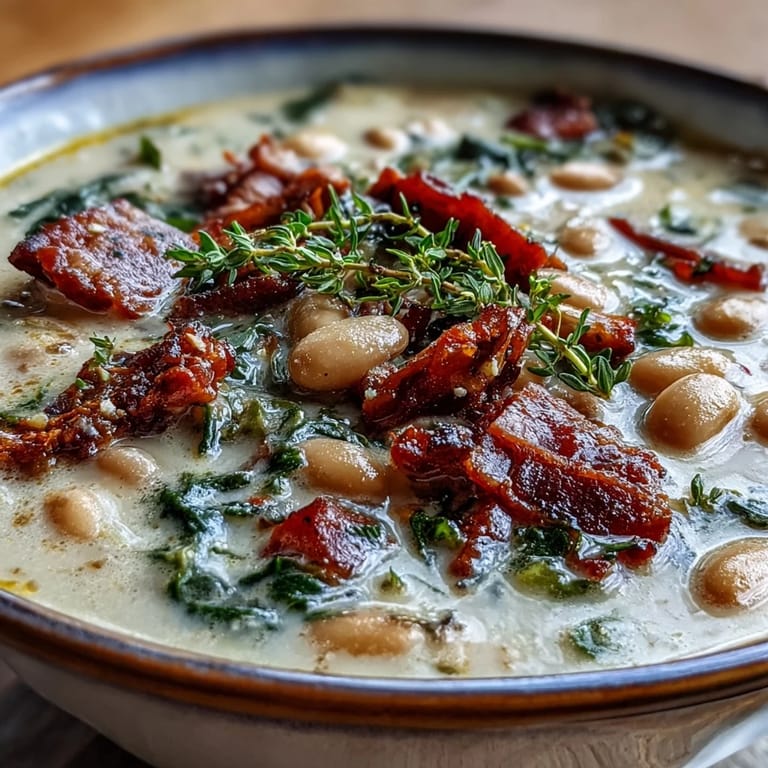
Save There's something about the smell of ham and beans simmering together that makes a kitchen feel like home, even if you're nowhere near one. My neighbor came over on a gray October afternoon looking half-frozen, and without thinking twice, I pulled out a ham hock from the freezer and started building this soup. By the time the thyme had settled into the broth, she'd already kicked off her shoes and we were talking like we'd known each other for years instead of months. That's when I realized this soup wasn't just about feeding someone—it was about creating a moment where people naturally wanted to stay.
I made this for my sister's book club once, and someone actually asked for the recipe before the second bowl was finished. What struck me was how quiet the room got at first—everyone just eating, thinking. Then the conversations started again, but slower, warmer somehow. That's the power of a soup that doesn't try too hard.
Ingredients
- Dried navy beans (1 pound): These small white beans are your foundation; they absorb flavor like a sponge and break down into a naturally creamy texture without any cream involved.
- Smoked ham hock or diced cooked ham (1 pound): The ham hock gives deeper, more complex smoke flavor to the entire pot, though diced ham works beautifully if you're short on time.
- Yellow onion, carrots, celery (1 large onion, 2 medium carrots, 2 stalks): This trio is the flavor base that makes everything taste intentional and rounded—don't skip it even though it seems simple.
- Garlic cloves (3, minced): Added after the vegetables soften, garlic keeps its brightness and cuts through the richness of the ham.
- Low-sodium chicken broth or water (8 cups): Broth adds depth, but water lets the ham's flavor shine if that's what you prefer.
- Fresh thyme (2 sprigs) or dried thyme (1 teaspoon): Fresh thyme releases its oils slowly during cooking, creating a subtle earthiness that lingers on your palate.
- Bay leaves (2): These quiet workers in the background balance the saltiness of the ham without announcing themselves.
- Black pepper and salt: Taste as you go near the end; the ham is already salty, so you'll likely need less than you think.
- Fresh parsley (2 tablespoons, optional): A handful of green at the end wakes up the soup visually and adds a fresh note that feels like an afterthought but matters.
Tired of Takeout? 🥡
Get 10 meals you can make faster than delivery arrives. Seriously.
One email. No spam. Unsubscribe anytime.
Instructions
- Soak your beans (optional but helpful):
- If you have time, soak the navy beans overnight in cold water, or use the quick method—boil them for five minutes, then let them sit covered off the heat for an hour. This step softens their skins and can reduce cooking time, though unsoaked beans will work fine, just with a bit longer simmering.
- Build your flavor base:
- Heat a splash of oil in your Dutch oven over medium heat and add the diced onion, carrots, and celery together. You'll watch them soften and turn translucent over about five minutes, filling your kitchen with that unmistakable savory smell that means something good is happening.
- Toast the garlic:
- Add your minced garlic and stir constantly for just one minute—you want it fragrant but never browned, or it'll turn bitter and sharp. This quick step is easy to rush past, but it makes a real difference.
- Combine everything:
- Add the beans, ham, broth, thyme sprigs, bay leaves, and black pepper all at once and give everything a good stir. Bring the whole pot to a boil, watching the surface bubble and steam rise.
- Let it simmer gently:
- Reduce the heat to low, cover the pot, and let it bubble quietly for about an hour and a half. You're not rushing this; the beans need time to become truly tender, and the longer cooking lets all the flavors weave together.
- Handle the ham:
- When the beans are soft enough to break apart easily, carefully lift out the ham hock. Once it cools slightly, pick off any meat, discard the skin and bone, and shred the meat back into the pot—you'll get every bit of that smoky flavor.
- Finish and adjust:
- Remove the thyme sprigs and bay leaves (it's easy to forget these, so take a moment to fish them out). Taste a spoonful and add salt and more pepper until it feels balanced—remember the ham was already salty, so taste first.
- Serve with intention:
- Ladle the soup into bowls, scatter a bit of fresh parsley on top if you have it, and serve with crusty bread alongside. The bread matters more than you'd think, giving you something to dunk and soak up the broth.
 Pin it
 I learned the real gift of this soup when my friend's partner got sick and she was too tired to think, let alone cook. I brought over a container of this, and she told me later it was the first meal that felt like someone understood she needed to sit down. That's when food becomes more than ingredients and technique—it becomes a small act of showing up.
Why Bean Soups Matter in Your Kitchen
A good bean soup is like having a trusted friend you can turn to on any kind of day. On cold mornings it warms you from the inside, but it's just as good reheated on a weeknight when cooking feels impossible. The fact that it actually tastes better the next day—the flavors deepen and settle—means you can make it ahead and feel like you're ahead of the game.
Variations Worth Exploring
Once you've made this soup a few times and it feels natural in your hands, you can start playing. Some people swap the ham hock for smoked turkey legs or good sausage, which shifts the whole mood of the dish in interesting ways. Others add a pinch of heat with hot sauce at the end, or a squeeze of lemon juice to brighten everything up—small changes that feel like they're entirely your own invention.
Making Ahead and Storage
This soup freezes beautifully for up to three months, which means you can make a big batch and have comfort waiting for you on the hardest days. It reheats gently on the stovetop, and somehow it tastes even better the second time around, like all the flavors have made peace with each other.
- Let the soup cool completely before freezing so it doesn't steam up and lose quality in the freezer.
- Thaw in the refrigerator overnight rather than at room temperature, and reheat slowly over medium heat to keep the beans from falling apart.
- Add fresh parsley right before serving rather than freezing it, as the fresh herb tastes brighter when it hasn't been frozen.
 Pin it
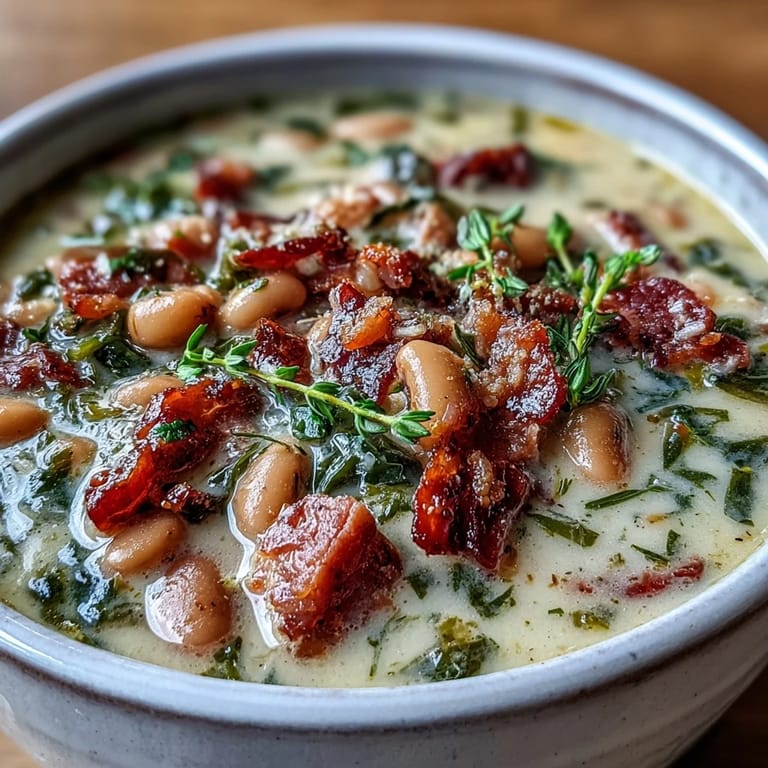
 This is the kind of soup that quietly becomes part of how you feed people you care about. Make it once and you'll understand why.
Frequently Asked Questions
- → Can I use quick-soak method for the beans?
Yes, cover beans with boiling water and let sit off heat for 1 hour before cooking to speed up the soaking process.
- → What can substitute ham in this dish?
Smoked turkey leg or sausage are great alternatives that provide a similar smoky flavor.
- → How can I make the soup creamier?
Mash some of the cooked beans in the pot to thicken the broth and add a richer texture.
- → Should I remove bay leaves and thyme sprigs before serving?
Yes, discard the bay leaves and thyme sprigs to avoid any tough or bitter bits in the finished soup.
- → Is this dish suitable for gluten-free diets?
It can be gluten-free if the ham and broth contain no gluten; always verify labels, especially if serving with bread.